
Face Endolift vs Traditional Facelift: Which Treatment Should You Choose?
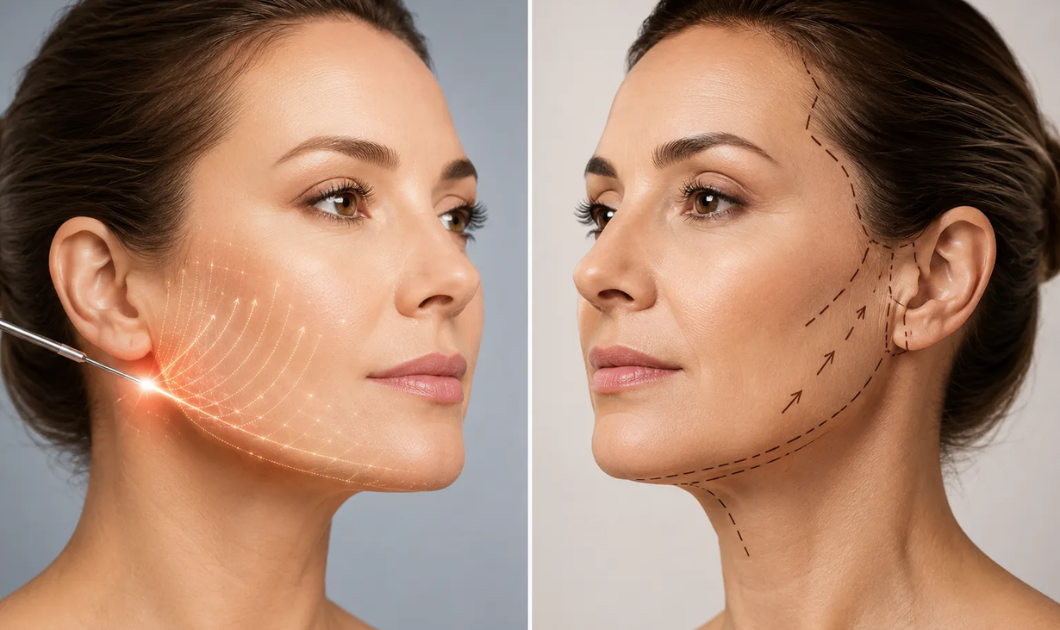
Many people who visit Dr. Sima for facial rejuvenation want natural-looking results rather than a dramatic change. During the consultation, Dr. Sima explains the differences between Face Endolift vs Traditional Facelift so patients can make an informed decision. While both treatments address facial ageing, they differ in the way they are performed, the recovery involved, and the results they achieve.
The right treatment depends on your skin quality, the degree of skin laxity, your aesthetic goals, and how much downtime you are willing to take. After a detailed assessment, Dr. Sima develops a personalized treatment plan that is tailored to your individual needs.
What Is Face Endolift?
Face Endolift in dubai is a minimally invasive laser treatment that tightens the skin and stimulates collagen production without surgical incisions. A fine laser fibre is inserted beneath the skin to deliver controlled laser energy to targeted areas. The procedure is performed under local anaesthesia and usually takes about an hour.
Face Endolift is commonly recommended for:
- Mild to moderate skin laxity.
- Loose skin along the jawline and neck.
- Early jowls and a mild double chin.
- Fine lines and reduced skin elasticity.
- Patients looking for minimal downtime.
Dr. Sima performs the procedure under local anaesthesia, usually within an hour, making it a practical option for patients who want visible improvement without committing to surgery. It’s often discussed alongside her other aesthetic services for patients who are exploring non-surgical options.
What Is a Traditional Facelift?
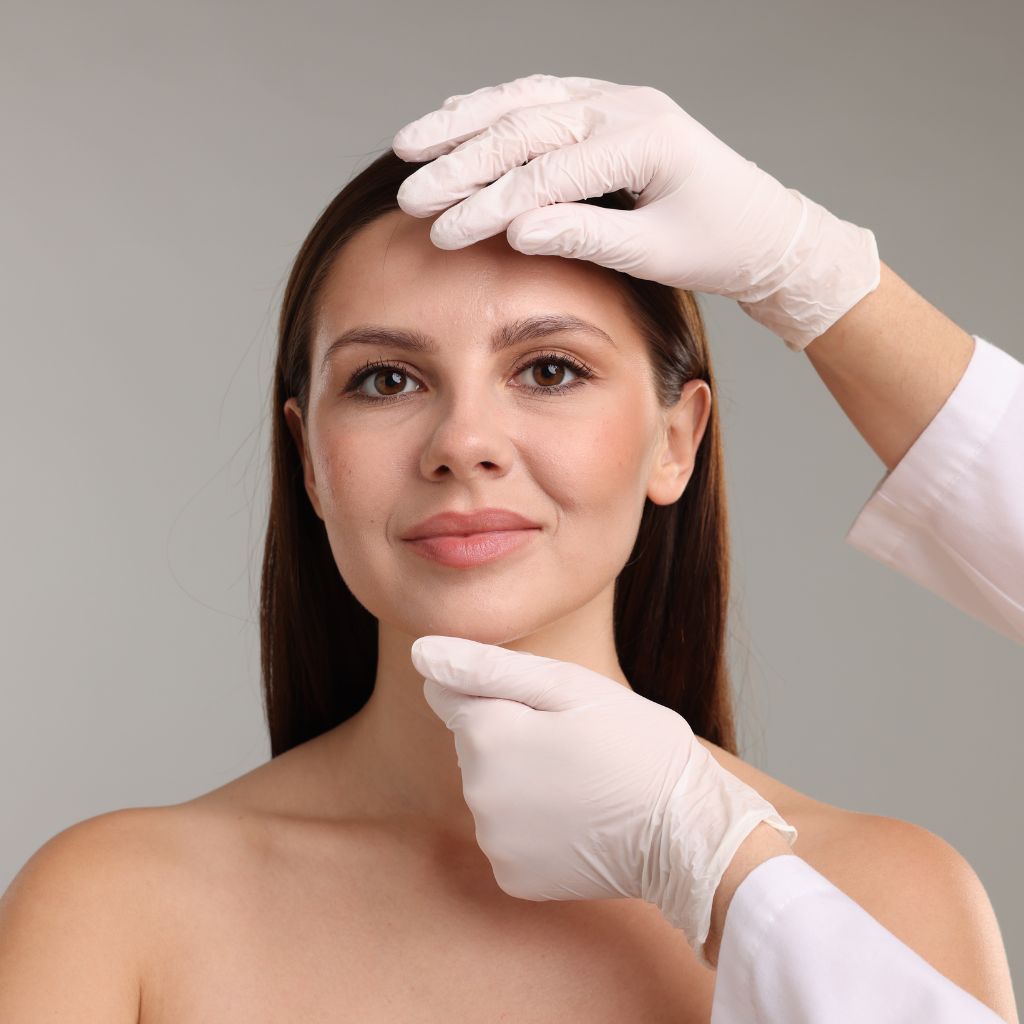
A traditional facelift (rhytidectomy) is a surgical procedure designed for more advanced signs of ageing significant skin laxity, deeper folds, and volume descent that non-surgical treatments cannot correct. During your consultation with Dr. Sima, the surgical plan is tailored to your facial structure, but broadly, a facelift involves repositioning the underlying facial muscles (the SMAS layer), removing excess skin, and re-draping the remaining tissue for a smoother, more lifted contour.
Face Endolift vs Facelift: Key Differences at a Glance
Face Endolift | Traditional Facelift | |
|---|---|---|
Invasiveness | Minimally invasive, no incisions | Surgical, incisions and sutures required |
Anaesthesia | Local anaesthesia | Sedation or general anaesthesia |
Procedure time | Around 45–60 minutes | Typically 2–4 hours |
Downtime | Mild swelling for a few days; most return to daily activities within 3–5 days | Visible bruising and swelling for 2–3 weeks; full recovery over several months |
Degree of correction | Best for mild to moderate laxity | Best for moderate to significant laxity |
Longevity of results | Gradual improvement over 2–3 months; results generally last 1–2 years | Longer-lasting results, often 8–10 years or more |
Scarring | No visible scarring | Fine scars typically hidden along the hairline and behind the ears |
Comparing Results: What Can You Actually Expect?
Face Endolift results tend to appear gradually as new collagen forms, with visible tightening becoming more noticeable over 8–12 weeks. Patients generally describe the outcome as a refreshed, more contoured jawline rather than a dramatic transformation which is exactly the point for those who want subtle correction.
A traditional facelift, by contrast, produces a more comprehensive lift. It corrects deeper folds, repositions sagging tissue, and can dramatically improve jawline and neck definition in patients with more advanced ageing.
It’s important to say clearly: results vary from patient to patient, and neither treatment stops the ageing process. Skin quality, genetics, lifestyle, and how your body responds to treatment all influence the final outcome. Dr. Sima will always give you a realistic assessment of what’s achievable for your specific anatomy rather than a one-size-fits-all promise.
Downtime and Recovery
This is often the deciding factor for patients weighing a non-surgical facelift alternative against surgery.
Face Endolift recovery is short. Mild swelling, tightness, or bruising at the entry points is normal for the first few days, and most patients resume work and social activities within 3 to 5 days.
Facelift recovery requires more patience. Swelling and bruising are most noticeable in the first two weeks, sutures are typically removed within 7–10 days, and it can take several months for swelling to fully resolve and final results to settle.
Who Is a Good Candidate for Each Procedure?
Face Endolift tends to suit patients who:
- Are in their late 30s to early 50s with early to moderate skin laxity
- Want to avoid surgery, scarring, or extended downtime
- Have realistic expectations about a subtle, natural improvement
A traditional facelift tends to suit patients who:
- Have more pronounced jowling, neck laxity, or deep nasolabial folds
- Want longer-lasting, more dramatic correction
- Are prepared for a longer recovery in exchange for more comprehensive results
During your consultation, Dr. Sima will examine your skin’s elasticity, bone structure, and degree of laxity to help you understand whether Face Endolift is likely to meet your goals, or whether your case would be better suited to a surgical opinion. You can get in touch to begin this assessment.
Risks and Realistic Expectations
No cosmetic procedure is entirely without risk, and Dr. Sima believes patients deserve an honest conversation about both the benefits and limitations of any treatment.
Endolift in dubai carries a low risk profile, though temporary swelling, minor bruising, or slight asymmetry during the healing process can occur. A traditional facelift, being surgical, carries the standard risks associated with any operation including infection, scarring, and prolonged swelling which is why patient selection, surgical technique, and aftercare are carefully managed throughout the process.
Neither treatment guarantees a specific outcome. What Dr. Sima can guarantee is a thorough evaluation, an honest recommendation, and a treatment plan built around your anatomy and goals rather than a generic protocol.
Making the Right Choice
If your main concern is mild sagging along the jawline or an early double chin, Face Endolift may give you the refresh you’re looking for without surgery. If you’re dealing with more significant skin laxity that non-surgical treatments can’t fully address, a traditional facelift may offer the more lasting correction you need.
The best way to know which path suits you is a personalized consultation. Dr. Sima will assess your skin, discuss your goals in detail, and walk you through exactly what results are realistic for your case helping you make a decision you feel confident about, whichever direction you choose.
FAQs
For mild to moderate skin laxity, Endolift can offer meaningful tightening. It is not intended to replace a facelift for patients with more advanced sagging, but it can be a suitable alternative or a complementary treatment for earlier signs of ageing.
Results typically last between one and two years, depending on skin quality, age, and lifestyle factors. Some patients choose periodic touch-up sessions to maintain results.
Yes. Depending on your goals, Dr. Sima may recommend combining Endolift with other non-surgical treatments to enhance overall facial rejuvenation.
The only reliable way to determine this is through an in-person evaluation with Dr. Sima, who will assess your skin laxity, facial structure, and aesthetic goals before recommending a tailored plan.
Quick Links
Certified Endolift Specialist
at Dynasty Clinic
Copyright © 2026 Dr. Sima . All Rights Reserved. Developed by Digital Marketing Agency in Dubai