
How to Choose a Botox Doctor in Dubai
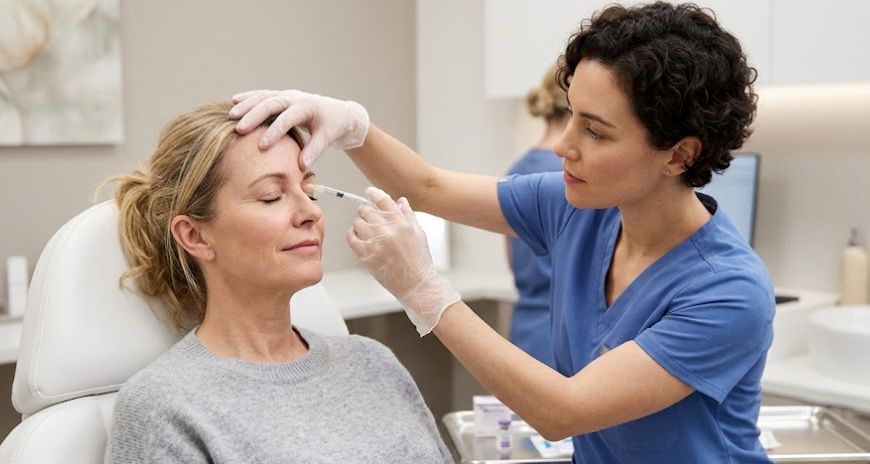
Booking Botox sounds easy until you start comparing clinics. Every page promises natural results, so who do you trust? This guide shows you how to choose a Botox doctor in Dubai without the guesswork. Dr. Sima shares the checks she wants every patient to make.
Botox is a medical treatment, not a beauty shortcut. Your doctor needs real knowledge of facial anatomy, muscle movement, and dosing. Want to see the treatment first? Visit the Botox in Dubai page, then come back here.
What Should You Look for in a Botox Doctor?
Start with three things: qualifications, experience, and anatomy knowledge. Botox is not just a product placed into a wrinkle. The location, depth, amount, and technique all shape your result.
When you compare Botox specialists, check these points:
- Medical qualifications and licence
- Hands-on experience with Botox
- Knowledge of facial muscles
- A proper consultation process
- A natural-looking approach
- Honest talk about risks
- Clean, safe clinical standards
Use this list to narrow your options before you book.
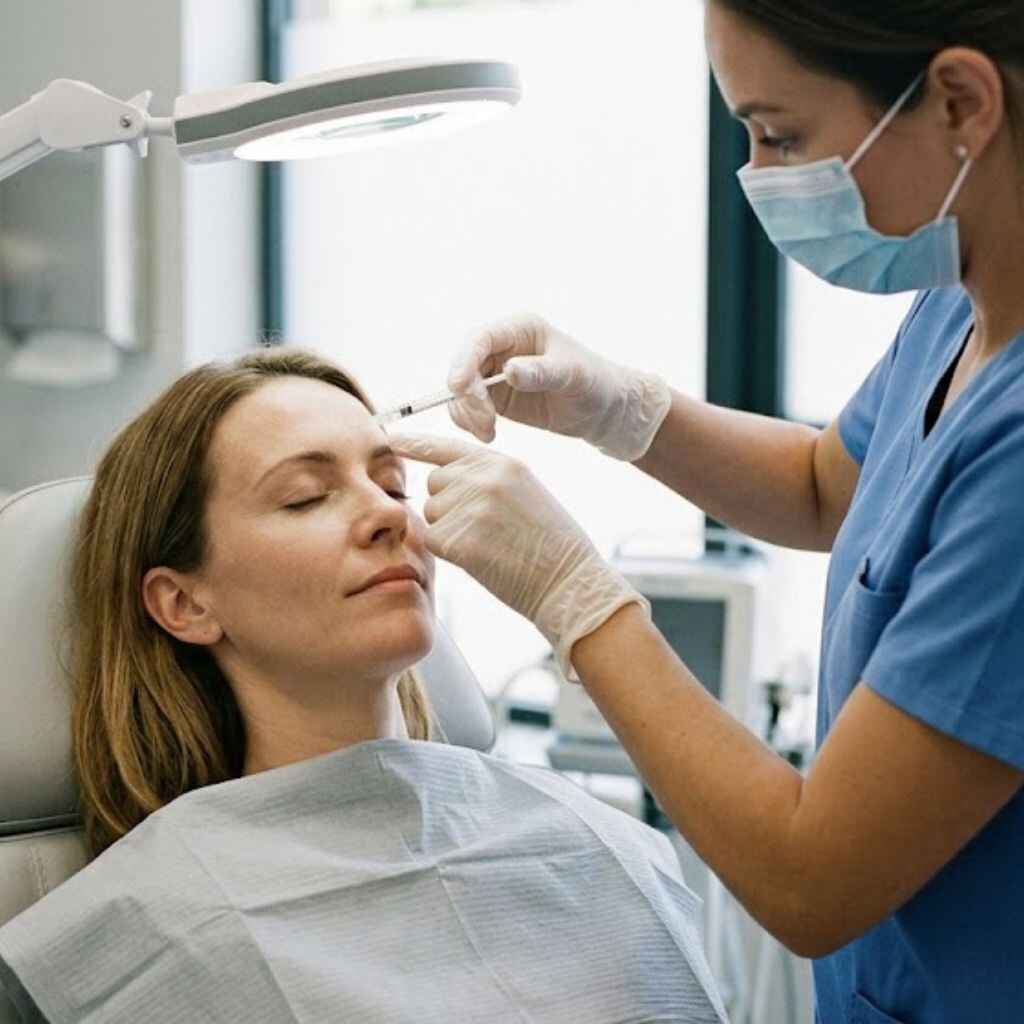
Check the Doctor’s Qualifications and Licence
Begin with the basics. Does the doctor hold the qualifications and licence needed for this treatment? A qualified doctor explains her credentials without hesitation.
You can also confirm a licence yourself. Search the DHA Sheryan medical directory and verify the name in minutes.
However, don’t pick a doctor because of follower counts or flashy promotions. Those numbers say little about clinical skill. Training and real experience matter far more.
Ask How Much Botox Experience the Doctor Has
Experience counts, but ask the right question. How often does the doctor perform Botox, and does she regularly treat your area of concern? Faces differ, so one approach never suits everyone.
A good consultation goes beyond spotting a line. Your doctor should study how you move your face, how active your muscles are, and how your features balance.
Look for Strong Knowledge of Facial Anatomy
Botox temporarily relaxes muscles. Since muscles drive your expressions, your doctor must know where they sit and how they work together.
Take the forehead, brows, and eyes. These muscles pull against each other. If a doctor treats one area and ignores its neighbours, your expression can change in ways you never expected. That is why a proper assessment studies your whole face, not one line.
Pay Attention to the Consultation
A real consultation gives you space to talk. You can share your worries, your goals, your past treatments, and your medical details.
During the visit, the doctor may review:
- The areas you want to treat
- Your expressions and muscle movement
- Your skin and facial structure
- Existing lines and wrinkles
- Any earlier Botox or aesthetic treatments
- The result you want
- Whether Botox suits your concern
That last point matters most. A good doctor tells you when Botox is not the right choice.
Ask Which Areas the Doctor Treats
Botox can help several concerns. These are the most common ones.
Forehead Lines
Repeated forehead movement creates horizontal lines. Botox can help when muscle activity causes them.
Frown Lines
Vertical lines between your eyebrows come from repeated frowning. Botox reduces that muscle pull and softens the lines.
Crow’s Feet
Lines around the outer corners of your eyes deepen when you smile or squint. Botox can relax the muscles behind them.
Your assessment should decide the treatment area and dose. A fixed menu should not.
Ask About Natural-Looking Results
Tell your doctor how you want to look afterward. Some people want smooth skin with full movement. Others prefer a stronger effect.
Ask how she protects your natural expressions. Also, avoid anyone who offers a one-size-fits-all dose. The same amount of Botox will not work for every face.
Review Before-and-After Photos Carefully
Before-and-after photos show a doctor’s past work. Still, read them with care.
Check whether:
- The photos show areas similar to yours
- The lighting and expressions match
- The results look consistent across patients
- The photos come from the doctor’s own work
Photos can support your choice. They cannot replace a consultation.
Ask About Possible Side Effects
Botox effects are temporary, yet side effects can happen. Your doctor should explain the risks and what to expect afterward. You may notice redness, swelling, tenderness, or bruising near the injection site.
Less common effects can also occur. So share your medical history, medications, and past treatments during the consultation. A good doctor explains both the benefits and the limits of Botox.
Be Careful With Very Low Prices
Price matters, but it should not lead your decision. A very low offer rarely tells you who treats you, which product they use, or how much they inject.
Instead, ask what the price includes. Then confirm that a qualified doctor will perform the treatment. If you want a cost overview, the Botox in Dubai page is a good next step.
Ask Which Botox Product the Clinic Uses
Before treatment, ask which botulinum toxin product the clinic uses. You can also ask about:
- The manufacturer
- How the clinic stores it
- Why it suits your treatment
- The amount your doctor recommends
A reputable clinic answers these questions clearly and calmly.
Share Your Medical History
Your history affects whether Botox is safe for you. Tell your doctor about health conditions, medications, allergies, and earlier injectables. Mention any past reaction, too.
With complete information, your doctor can judge your suitability and explain precautions before she starts.
Ask What Happens After Treatment
Good care continues after the injection. Your doctor should explain which activities to avoid and when you will notice changes.
Ask about follow-up as well. Find out when a review makes sense and who to contact if you feel unwell or worried. Clear aftercare is a sign of a careful doctor.
Questions to Ask Before You Choose a Botox Doctor in Dubai
Bring these questions to your Botox consultation in Dubai.
Is the doctor qualified and licensed?
Ask about her qualifications, then verify the licence in the DHA directory.
How much Botox experience does she have?
Ask how often she performs Botox and which areas she treats most.
Will I receive a facial assessment?
Your doctor should study your muscle movement and structure. A standard plan for everyone is a warning sign.
What results can I realistically expect?
Expect an honest talk about likely results, limits, and how long Botox lasts.
What risks should I know about?
Ask about common side effects, rare complications, and what to do if something feels wrong.
What happens after treatment?
Find out which aftercare steps she recommends and whether you need a follow-up visit.
When Should You Book a Botox Consultation?
Feeling unsure is a fine reason to book. You do not need to decide on treatment beforehand.
During the visit, the doctor can tell you whether muscle activity causes your concern. She can also explain whether Botox makes sense for you, and mention other options worth considering.
Final Thoughts on Choosing a Botox Doctor in Dubai
Choosing a doctor takes more than comparing clinic names or prices. Look at qualifications, experience, anatomy knowledge, the consultation, and how openly she discusses risks.
Curious how Dr. Sima works? Visit the Botox in Dubai service page to read about her qualifications and the Botox services she provides.
Your best plan depends on your anatomy, concerns, medical history, and goals. A consultation with a qualified doctor shows whether Botox suits you and which approach makes sense.
FAQs
Check the doctor's qualifications, licence, Botox experience, and anatomy knowledge. Then review the consultation and treatment approach. Ask about the product, side effects, and aftercare too.
Price can play a part, but it should not lead. Qualifications, experience, product details, and consultation quality tell you more about your care.
The doctor should listen to your concerns and review your medical history. Next, she studies your facial structure and muscle movement. Finally, she explains whether Botox suits you, plus the expected results and risks.
Quick Links
Certified Endolift Specialist
at Dynasty Clinic
Copyright © 2026 Dr. Sima . All Rights Reserved. Developed by Digital Marketing Agency in Dubai