
Post Liposuction Fibrosis Treatment
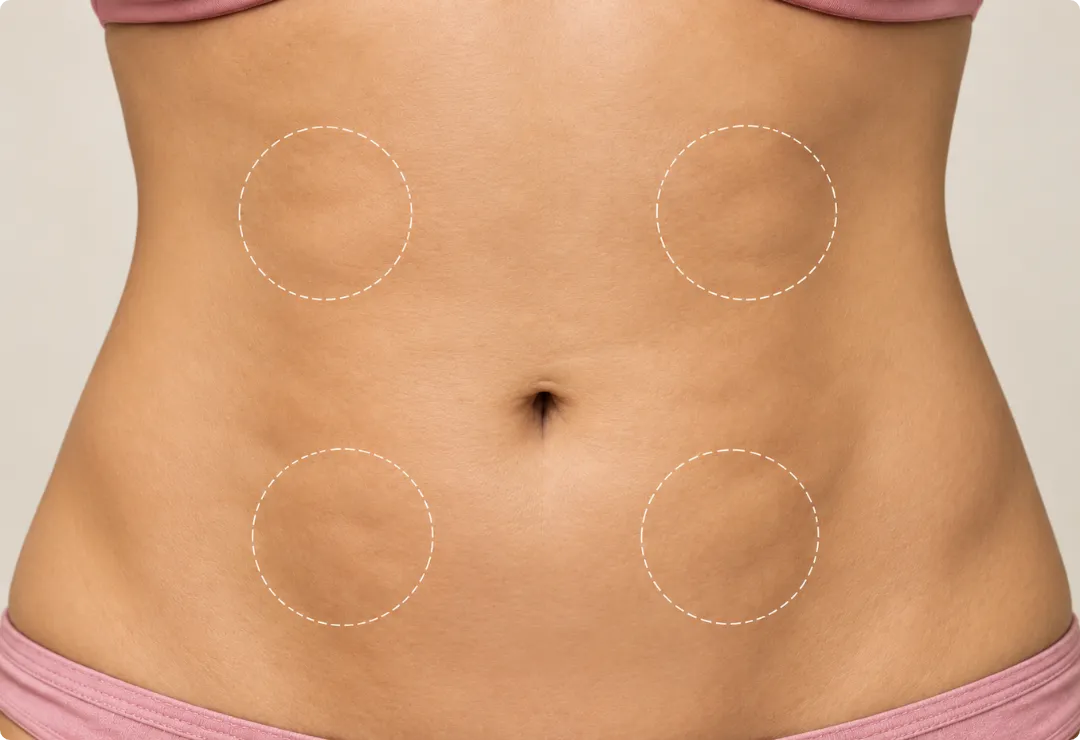
Post liposuction fibrosis occurs as a result of the formation of firm scar tissue under the skin after the liposuction procedure. It appears as hard lumps or ridges and can cause the treated area to be uneven. It is noticed many people a few weeks after surgery when swelling has subsided.
Dr. Sima inspects the area and gives information regarding what is occurring in your tissue. She will then create a treatment plan based on your surgery and your healing phase. You have a good idea of what to look forward to before you begin.
What Is The Post Liposuction Fibrosis?
Fibrosis is normal fibrous connective tissue that has been overproduced in an organ. Once you have had the liposuction procedure, that tissue is beneath the skin where the fat was. It’s also known as scar tissue or adhesion. It’s normal and it doesn’t indicate a complication with your surgery.
Specific Services

PRP
Revitalize your skin naturally with PRP therapy

Pigmentation
Restore even skin tone with advanced pigmentation

Botox Injection
Smooth wrinkles quickly with expert Botox injections

How Fibrosis Forms
After liposuction there is bruising and inflammation. Fibroblasts cells then repair the damage by creating collagen. During normal healing the collagen is arrayed in an orderly fashion and the tissue remains soft. Fibrosis (in the fibrosis stage) the collagen thickens and moves in uneven bands. Those bands may feel like cords or lumps. They also can draw the skin down towards the tissue below.
- Swelling: soft and diffused in the entire area. This fades in weeks and months.
- Bruising is indicated by discolored skin. It will typically resolve in a couple of weeks.
- A seroma is a collection of fluid. It is soft and will move when you squeeze it. Your surgeon should ensure it’s checked.
- Contour Irregularities are other names for dents or ridges created by the removal of fat in an uneven pattern. Sometimes they can appear as fibrosis, when they do not.
- The loose skin is not elastic. Does not appear saggy or lumpy.
- Fibrosis is hard to touch and does not move. Unlike swelling it does not contract.
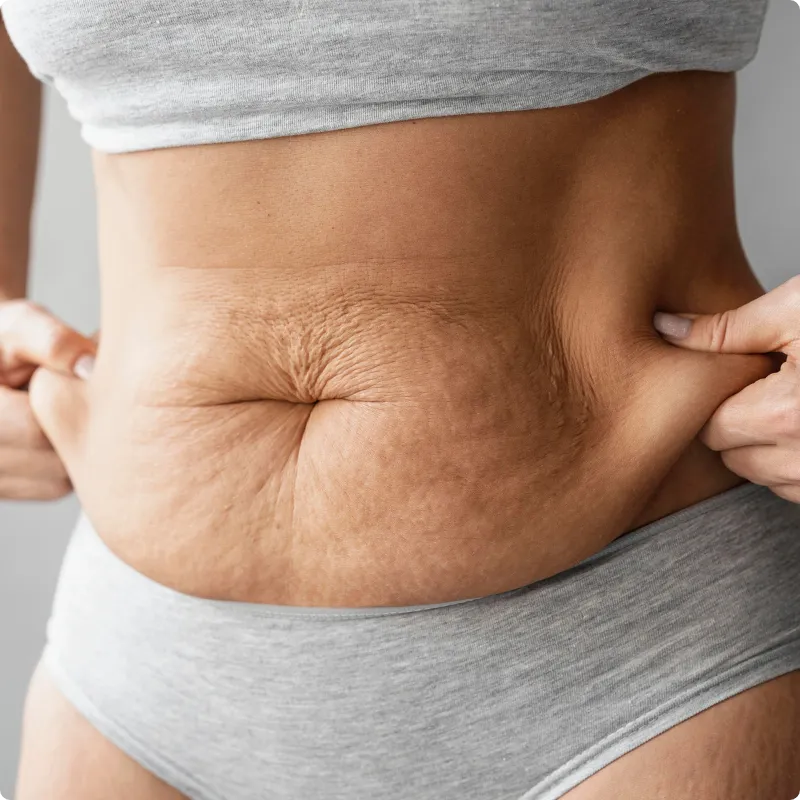
Where Fibrosis Appears After Liposuction
Fibrosis can form in any treated area. Most often on abdomen, flanks. It’s also on the thighs, hips and back and arms and under the chin. This may occur following similar surgeries like a tummy tuck or a Brazilian butt lift.
Symptoms of Fibrosis After Liposuction
In the treated area, search for these symptoms:
- Lumps or ridges of hardened skin underneath the skin.
- A rough surface or area.A rough surface or area.
- Rigidity and/or a pulling sensation
- Pain on pressure or palpation of the area
- Numbness or tingling
- Skin that is stuck to the tissue below.
Pain level varies. For some, it’s just the firmness. Others experience soreness during movement and/or when wearing tight clothing.
How long does it take to get fibrosis after liposuction?
Fibrosis develops gradually. This timeline is used in most cases:
- Week #1: swelling and bruising and tenderness creep in. The tissue is soft and fluffy.
- Weeks 2-6: swelling decreases. As the swelling subsides, firm areas may be apparent.
- Firmness which does not go away or worsens after 6 weeks may be fibrosis.
Some swelling may take several months to reach its normal size. This is why Dr. Sima asks the date of your surgery in order to make her judgement.
Who gets fibrosis after tummy tuck surgery?
Surgery and healing are involved. You can’t control all the factors. The importance of your surgeon’s technique and your own biology.
Surgical Factors
- As the cannula is pushed beneath the skin, the tissues are damaged.
- Heat or ultrasound energy used in some techniques such as laser liposuction and VASER
- Performing work on or in close proximity to skin surface.Performing work near the skin surface.
- The treatment of a large area/volume
- Repeat liposuction in an area that already has scar tissue
Factors related to healing and aftercare.
- Your own tendency to heal and the amount of scar tissue that your body creates
- A prolonged swelling.
- Garments that are not worn or too loose.
- If the surgeon has recommended not to visit or drain, they have not done so
Fibrosis is simply a condition, not a reflection of your choices or actions. It refers to your tissues not healing uniformly.
Dr. Sima approach to treating post liposuction fibrosis
Dr. Sima treats fibrosis in steps. She begins by assessing and then selects treatments to apply to what she has assessed.
Assessment
The first step of your consultation is an explorative examination. Dr. Sima feels the firmness of the areas, the texture of the skin and thickness of the skin tissue. She will ask about the type of fat removal procedure you underwent and the time of your surgical procedure. She also inquires about post-op management recommendations issued by your surgeon. This will let her know if you are fibrotic or if your swelling is normal, and how far you have come along with healing.
Radiofrequency Treatment
Radiofrequency devices penetrate deeper layers of the skin. This warmth can help to loosen hard tissue and enhance the texture of the skin over time.
The Venus Legacy treatment is a pulsed electromagnetic field radiofrequency treatment. Dr Sima applies it to the body parts like abdomen and thighs.
The effects of radiofrequency on fibrosis are not well agreed upon by specialists. There is a lack of research on it. Dr. Sima considers it as a component of a plan, and monitors how you are doing after each session. When the tissue doesn’t react, she switches tactics.
Lymphatic Drainage and Massage
In manual lymph drainage, gentle and gentle strokes are applied in order to pump the fluid towards the lymph nodes. It’s most effective during the first few weeks as it helps to reduce swelling. If the fibrosis is already present, more intensive massage which focuses on the scar tissue is necessary. Both need to be performed by a trained post surgical therapist. An inexperienced hand can press the tissue too hard.
Therapeutic Ultrasound
Therapeutic ultrasound applies sound waves to the tissue that result in a safe and comfortable amount of heat. Dr. Sima may recommend it in hard areas where there is more than massage required.
In a small clinical study, 18 women were treated with 12 sessions of therapeutic ultrasound and manual lymphatic drainage (MLD) after undergoing liposuction, resulting in a decrease in pain and swelling and fibrosis.
Compression Garments
Compression garments maintain a constant pressure on the treated area. That pressure reduces the amount of fluid that builds up and helps the skin to heal. Continue to wear them for as long as your surgeon suggests.
Success Stories
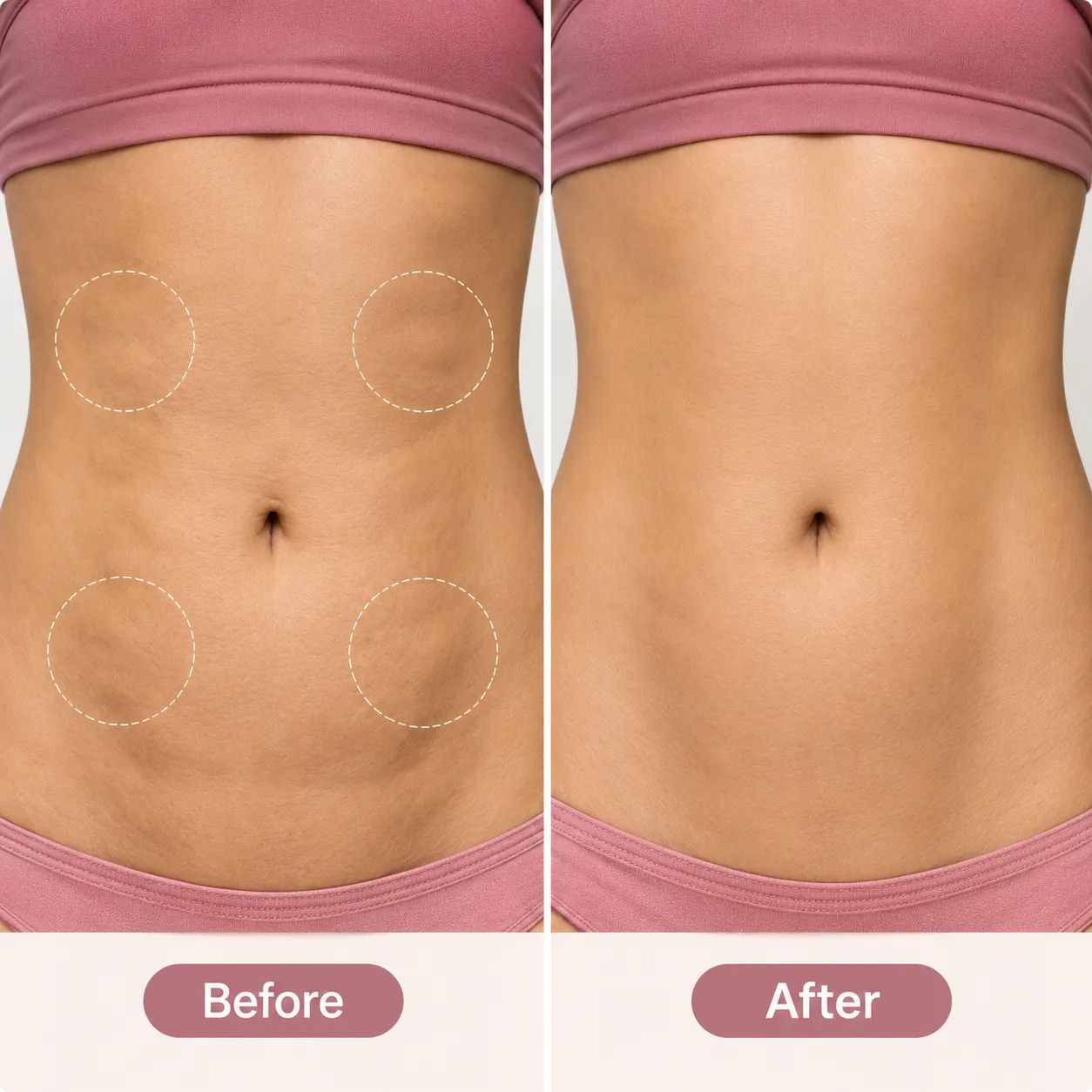
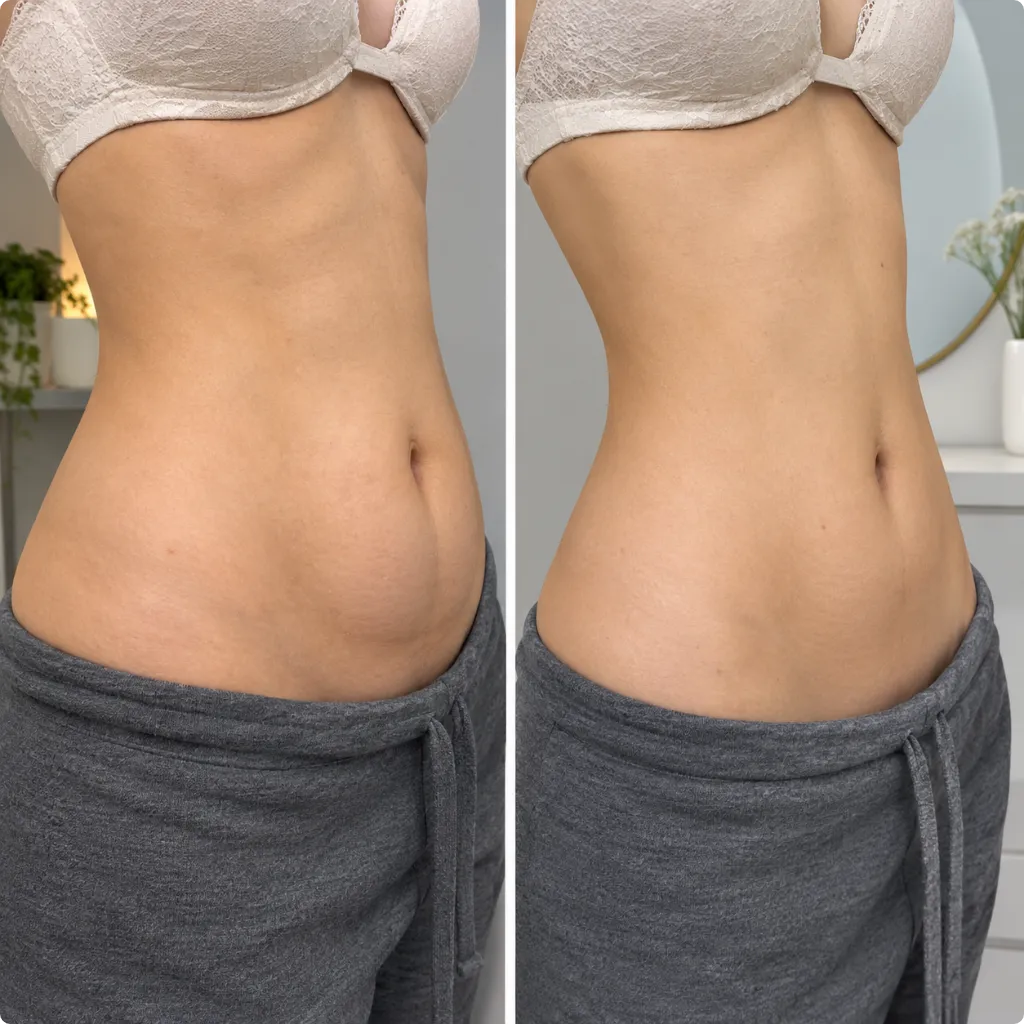
Other Treatments You May Hear About
You may read about other options online. Here is where they stand:
- Corticosteroid injections can reduce inflammation in firm areas. A published case report described skin thinning and loss of skin color after steroid injections for abdominal fibrosis. The risks need a frank conversation first.
- Subcision uses a needle to cut fibrous bands under the skin. Doctors usually reserve it for stubborn areas.
- Surgical revision removes or releases dense scar tissue. Severe cases may need a plastic surgeon.
- Serrapeptase supplements are popular. A study of 50 women who had liposuction for lipedema found no measurable benefit.
- Shockwave therapy showed early promise in a study of lipedema patients. Research on general post liposuction fibrosis is still limited.
Dr. Sima explains the benefits and risks of any option you ask about. She tells you honestly when something has weak evidence.
When Is the Right Time to Start Treatment?
Timing matters. Early on your surgeon may advise lymphatic drainage massage and compression to manage swelling. Dr. Sima usually starts radiofrequency after the swelling has settled and your surgeon agrees. Many people reach that point several weeks after surgery.
Book a consultation when lumps stay firm after the swelling goes down. Do not wait if the area feels painful or keeps getting harder.
Who Is a Good Candidate?
Good candidates are adults who have firm lumps or uneven skin after liposuction and have healed from the surgery. You should also have your surgeon’s clearance.
Some conditions can rule out radiofrequency. Pregnancy and a pacemaker and an active skin infection are common examples. Dr. Sima reviews your medical history before she recommends anything. Large or severe areas of fibrosis sometimes need a surgical correction. Dr. Sima tells you honestly when a non-surgical plan will not meet your goal.
Recovery and Realistic Expectations
Sessions and Comfort
Most plans use several sessions spaced weeks apart. You may feel warmth during a radiofrequency session. Mild redness can follow. Most people return to normal daily activity afterward.
Results and Timeline
Fibrosis softens slowly. Results vary from patient to patient. No treatment guarantees that fibrosis will disappear. Mild fibrosis can soften by itself as inflammation settles. Older and denser areas may respond more slowly. Patients with loose skin as well as firm lumps may also look at XERF skin tightening to improve skin laxity.
Home Care Between Sessions
Small habits support your treatment plan:
- Ask our surgeon before you start any home massage and keep the strokes gentle
- Wear your compression garment as directed
- Drink enough water because hydration supports fluid movement
- Walk gently as our surgeon allows
- Skip deep massage and unproven devices until a doctor clears you
- Choose licensed providers for any hands-on therapy
Can You Prevent Fibrosis After Liposuction?
You cannot prevent it completely. You can lower the risk:
- Choose an experienced surgeon and ask how they handle the skin layer
- Follow every aftercare instruction your surgeon gives
- Ask about lymphatic drainage massage and when to start
- Wear compression for the full period advised
- Report new lumps early
Early reporting gives you more options.
Fibrosis After Liposuction Done Elsewhere
Many people have liposuction with another surgeon or in another country. They then look for follow-up care at home. Bring your operative report and note the technique and the date of surgery. Dr. Sima works with your surgeon’s advice and does not replace your surgeon’s follow-up care.
When to Seek Urgent Care
Fibrosis is not an emergency. Some post-surgery problems are. Contact your operating surgeon or the nearest emergency service right away if you notice any of these:
- Fever or chills
- Redness that spreads
- Severe pain that keeps getting worse
- Fluid or pus leaking from an incision
- Swelling in one leg or calf
- Chest pain or shortness of breath
Book a Consultation With Dr. Sima
Lumps and uneven skin after liposuction are common and they have options. Book a consultation with Dr. Sima to find out what is happening in your tissue. She will explain the benefits and the risks and the recovery for each option. You can also see every device she uses on the machines and technology page.
Frequently Asked Questions
Some fibrosis can soften after swelling and inflammation have subsided. Stiff places that persist for weeks or longer might require treatment. Dr. Sima can determine which group of patients you are a member of.
Not always. Most cases will improve with time and treatment. In some dense areas the ground remains hard. A hands-on evaluation reveals where your tissue is.
It usually is first detected 2-6 weeks after surgery. When that happens, the firmness remains and the swelling subsides.
It is based on density of tissue and the onset of care. In some places, the softening takes place in weeks. It may take months to achieve dense areas. After examining you, Dr. Sima will give you an accurate prognosis.
It can, Tenderness or tightness is felt by some. Some feel only the firmness. New or increased pain should be checked with the surgeon.
Quick Links
Certified Endolift Specialist
at Dynasty Clinic
Copyright © 2026 Dr. Sima . All Rights Reserved. Developed by Digital Marketing Agency in Dubai