
Botox Units Guide: How Many Units Do You Need for Each Treatment Area?

Botox is one of the most popular non-surgical cosmetic treatments for reducing dynamic wrinkles and creating a refreshed appearance. However, one of the most common questions patients ask is, How many Botox units do I need? The answer depends on several factors, including the treatment area, muscle strength, facial anatomy, and your aesthetic goals.
Understanding this Botox units guide can help you know what to expect before your appointment. Rather than using the same dosage for everyone, Dr. Sima carefully evaluates each patient and recommends the appropriate Botox dosage to achieve natural-looking results while preserving facial expressions.
What Is a Botox Unit?
A Botox unit is the standard measurement used to determine the amount of botulinum toxin injected during treatment. It does not refer to the number of injections. Instead, several units may be placed into different muscles depending on the treatment area. The goal is not to use the highest number of units but to use the correct amount for safe, balanced, and natural-looking results.
What Determines How Many Botox Units You Need?
Several factors influence how much Botox is needed, including:
- Treatment area
- Muscle strength
- Severity of wrinkles
- Age
- Facial anatomy
- Previous Botox treatments
- Desired outcome
For example, someone with stronger forehead muscles may require more units than someone with finer expression lines.
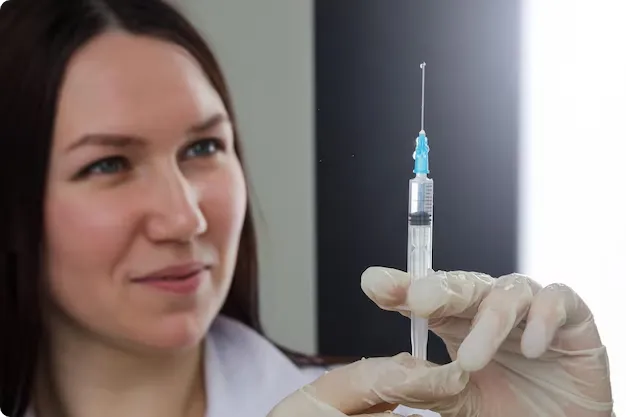
Typical Botox Units by Treatment Area
The exact dosage varies from person to person. However, these are commonly used treatment ranges.
Treatment Area | Typical Botox Units |
Forehead Lines | 10–20 units |
Frown Lines (Glabella) | 20–30 units |
Crow’s Feet | 12–24 units |
Bunny Lines | 4–10 units |
Chin | 4–8 units |
Lip Flip | 4–8 units |
Masseter | 20–40 units per side |
Neck Bands | 20–50 units |
These figures are general guidelines. Dr. Sima determines the most appropriate dosage after a facial assessment.
Botox Units for Forehead Lines
The forehead is one of the most frequently treated areas. Most patients need between 10 and 20 units, depending on muscle activity and the appearance of horizontal lines. Using too many units may create an overly stiff appearance. Therefore, Dr. Sima focuses on achieving smoother skin while maintaining natural facial movement.
Botox Units for Frown Lines
The muscles between the eyebrows are usually stronger than those in other facial areas. Most patients require approximately 20 to 30 units to soften moderate to severe frown lines while maintaining a natural expression.
Botox Units for Crow’s Feet
Crow’s feet develop around the outer corners of the eyes during smiling and facial expressions. Treatment generally requires 12 to 24 units, divided evenly between both sides. The exact dosage depends on wrinkle depth and muscle activity.
Can You Combine Multiple Treatment Areas?
Yes. Many patients choose to treat several areas during the same appointment.
For example, a full upper-face treatment may include:
- Forehead
- Frown lines
- Crow’s feet
Treating these areas together often creates a more balanced and harmonious appearance than treating a single area alone.
Does More Botox Mean Better Results?
Not necessarily.
A higher Botox dosage does not always produce better results. Using more units than necessary may reduce natural facial movement and create an overtreated appearance.
Instead, experienced injectors focus on selecting the correct dosage for each patient’s facial anatomy and cosmetic goals.
How Long Do Botox Results Last?
Most patients enjoy results for approximately 3 to 4 months.
Several factors influence longevity, including:
- Individual metabolism
- Treatment area
- Muscle strength
- Number of units used
- Lifestyle factors
Regular maintenance treatments can help preserve smoother, natural-looking results.
Can First-Time Patients Need Fewer Units?
Yes. Many first-time patients begin with a conservative treatment plan. Starting with a lower number of units allows Dr. Sima to evaluate how your muscles respond before making adjustments during future appointments. This gradual approach often produces the most natural-looking outcome.
Why Choose Dr. Sima for Botox in Dubai?
Choosing an experienced injector is just as important as choosing Botox itself. In addition, every face has unique muscle movement and anatomy that require an individualized approach.
Dr. Sima carefully evaluates your facial expressions, muscle strength, and aesthetic goals before recommending the appropriate Botox dosage. Rather than following a one-size-fits-all approach, she creates a customized treatment plan designed to soften wrinkles while maintaining natural facial movement. As a result, patients achieve refreshed, balanced results that enhance their appearance without looking overdone.
Conclusion
Understanding this Botox units guide can help you set realistic expectations before treatment. Although general dosage ranges exist for each treatment area, the right number of units varies from person to person. Factors such as muscle strength, facial anatomy, and your desired results all influence the final treatment plan.
Ultimately, the safest and most effective way to determine how much Botox you need is through a professional consultation. To learn more about Botox in Dubai, schedule a consultation with Dr. Sima for a personalized assessment and treatment plan based on your individual facial anatomy and aesthetic goals.
FAQs
Most patients need between 10 and 20 units, depending on muscle strength and the appearance of forehead lines.
Crow's feet typically require 12 to 24 units, divided between both eyes.
Yes. Many patients combine forehead lines, frown lines, and crow's feet for balanced facial rejuvenation.
Not always. The correct dosage depends on your facial muscles and treatment goals rather than simply using more units.
Quick Links
Certified Endolift Specialist
at Dynasty Clinic
Copyright © 2026 Dr. Sima . All Rights Reserved. Developed by Digital Marketing Agency in Dubai