
Endolift by Age: A Complete Guide to the Right Age for This Treatment
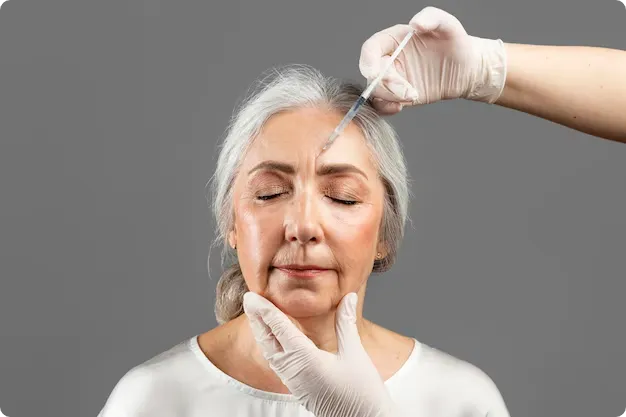
Skin doesn’t age on a fixed schedule. Two people born the same year can walk into a clinic with completely different faces, one with tight, well-supported skin, the other with early jowls and a soft jawline. This is exactly why I should get Endolift? doesn’t have a one-line answer. It depends on your skin quality, how much laxity you have, and what you want the treatment to fix.
This guide breaks down Endolift by age group, so you can see where you fit and what kind of results to expect.
What Is Endolift?
Endolift is a minimally invasive laser treatment that tightens skin and reduces small pockets of fat from underneath the surface. A thin optical fiber, carrying a 1470nm laser, is inserted through a tiny entry point numbed with local anesthetic. Once under the skin, the fiber heats the tissue to around 41-43°C. This heat does two things: it causes an immediate, visible tightening effect, and it triggers fibroblasts, the cells responsible for collagen to rebuild the skin’s support structure over the following weeks.
The treatment also releases fibrous septa, the tiny connective bands under the chin and jawline that hold fat in place and contribute to a heavy, undefined look. Releasing these bands, combined with fat melting and collagen remodeling, is what gives Endolift its contouring effect on the jawline, neck, and under-chin area.
Because it works on tissue beneath the skin rather than the surface, Endolift is often grouped with non-surgical facelift options, alongside HIFU and Ultherapy, though the mechanism and depth of each is different.
Why Age Matters for Endolift
Age isn’t the deciding factor for Endolift candidacy, skin quality is. But age tends to correlate with the type of concern someone has, and that concern determines whether Endolift is the right tool.
- In the 20s and early 30s, skin usually still has strong elastin and collagen reserves. Concerns are typically preventive early jawline softness, mild fat under the chin, or a desire to maintain firmness before real sagging starts.
- In the late 30s through the 50s, collagen production naturally slows down. This is when jowls, a less defined jawline, and neck looseness become visible. This age range is where Endolift produces its most dramatic before-and-after results, because there’s enough laxity to correct but the skin still has the elasticity to respond to collagen stimulation.
- From the late 50s into the 60s and beyond, skin laxity can become more advanced. Endolift can still help, but expectations need to be realistic severe sagging often responds better to a surgical facelift, or to Endolift combined with another treatment.
Endolift in Your 20s
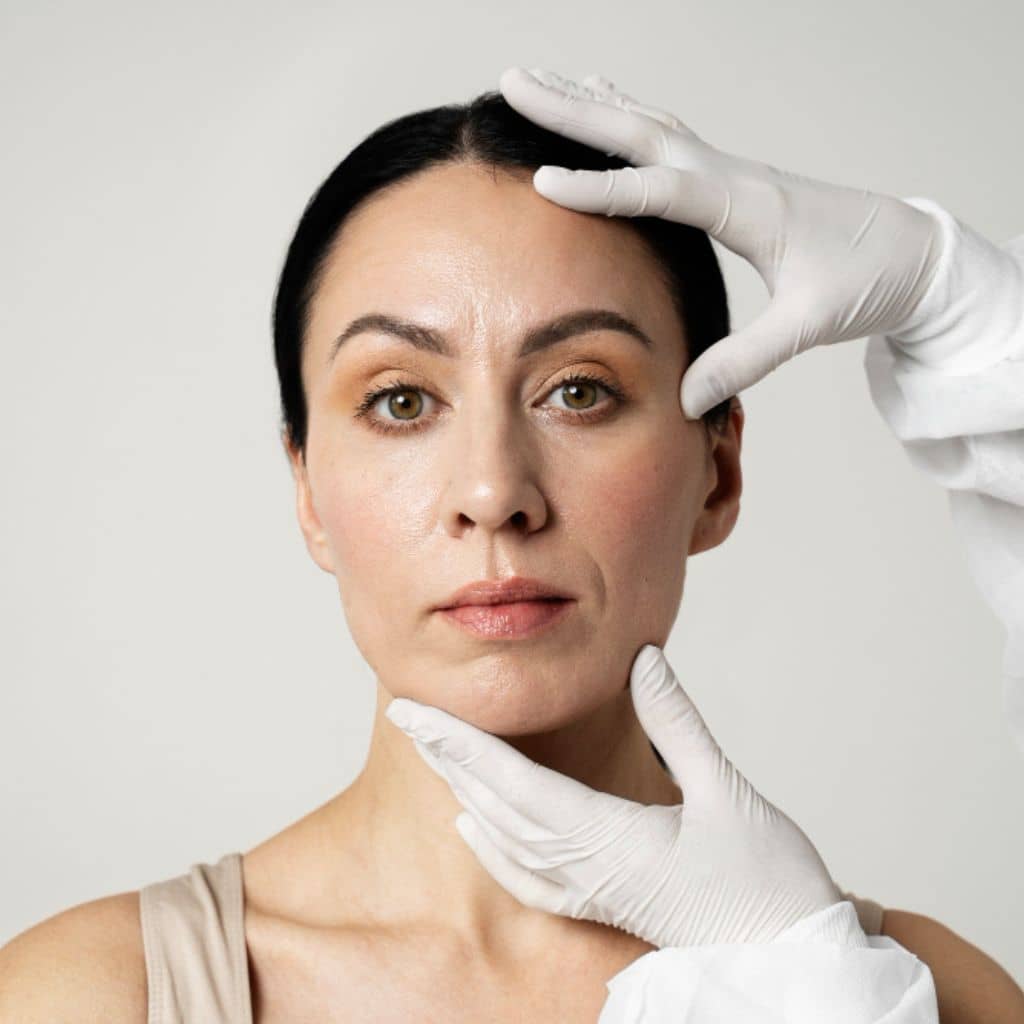
Most people in their 20s don’t need Endolift in dubai, but a growing number are using it preventively. If you’re noticing early signs like a slightly soft jawline, mild fullness under the chin from genetics rather than weight, or skin that looks a little less taut than it used to, Endolift can address these small changes before they progress.
The results at this age are subtle by design there isn’t much laxity to correct, so the treatment mostly acts as a collagen booster and light contouring tool. This is sometimes called prejuvenation: treating minor concerns early so that the skin ages more slowly, rather than waiting for visible sagging to appear.
If your only concern is a naturally rounder jawline with no skin laxity at all, Endolift may not be the right fit. A consultation will clarify whether the issue is fat, bone structure, or skin, since each responds to a different treatment.
Endolift in Your 30s
This is where Endolift starts to make more sense for a wider range of people. Collagen production drops by roughly 1% a year starting in the mid-to-late 20s, so by the 30s, many people begin noticing a softer jawline, a bit of fullness under the chin, or skin that doesn’t snap back the way it used to.
Endolift in your 30s is typically used to:
- Tighten mild jawline and under-chin laxity
- Reduce small, stubborn fat pockets under the chin that diet and exercise haven’t touched
- Refresh the lower face and neck before more visible sagging sets in
Results tend to look clean and natural, since the skin still has good elasticity to work with. Many patients in their 30s see this as a way to stay ahead of aging rather than reverse it.
Endolift in Your 40s
The 40s are often described as the sweet spot for Endolift. This is the decade when moderate skin laxity becomes common clearer jowls, a softer jawline, and looser neck skin all tend to show up here, while the skin usually still has enough elasticity to respond well to heat-based collagen stimulation.
Patients in their 40s often see some of the most visible before-and-after differences, because there’s a genuine amount of sagging to correct and still-responsive tissue to work with. Endolift at this stage is commonly used for:
- Jawline definition and jowl reduction
- Neck and under-chin tightening
- General lower-face refreshment without surgery
This is also the age range where people start comparing Endolift to a surgical facelift. For moderate laxity, Endolift can often deliver a large percentage of the visual improvement of a facelift, without incisions, scarring, or weeks of downtime.
Endolift in Your 50s
By the 50s, skin laxity is usually more advanced. Jowls are more pronounced, the jawline has lost more definition, and neck skin often shows visible looseness. Endolift can still produce meaningful improvement here, but the amount of change depends heavily on how much excess skin is present versus how much fat and poor support.
For early-to-moderate laxity in the 50s, Endolift remains a strong non-surgical option, particularly for jawline contouring and under-chin tightening. For more advanced sagging where there’s significant excess skin rather than just fat and loss of firmness Endolift is sometimes used as a complementary treatment alongside fillers, thread lifts, or as a way to delay (not replace) a future facelift.
A detailed consultation matters more at this age than at any other, since the line between Endolift will work well and you’ll get better results from surgery is determined by individual anatomy, not a birthday.
Endolift in Your 60s and Beyond
There’s no strict upper age limit for Endolift. What matters is skin quality, overall health, and realistic expectations. Many patients in their 60s and older still get good results, especially for targeted concerns like under-chin fullness or jawline softening, rather than expecting a full facelift-level transformation.
Endolift is often positioned as:
- A way to soften specific areas of sagging without surgery or a long recovery
- A bridge treatment for people not ready for, or not candidates for, a surgical facelift
- A maintenance option for patients who’ve already had a facelift and want to extend their results
If skin laxity is extensive, a qualified provider will usually be upfront that Endolift alone may only produce a modest improvement, and that a facelift consultation is worth having alongside it.
Is There an Age Limit for Endolift?
No. Endolift does not have a fixed age limit. Instead, your provider evaluates your skin laxity, overall health, skin quality, and treatment goals before recommending the procedure.
A person in their late 20s with early signs of aging may benefit from Endolift, just as someone in their 60s with healthy, elastic skin can achieve excellent results. On the other hand, someone in their 50s with significant skin sagging may require a surgical procedure to achieve the desired outcome.
Your overall health matters just as much as your age. Certain medical conditions may prevent you from having Endolift, including:
- Active skin infections
- Uncontrolled diabetes
- Certain autoimmune disorders
- Conditions that slow or impair wound healing
Your provider will review your medical history and examine your skin during your consultation to determine whether Endolift is the right option for you.
Endolift vs Facelift by Age
Endolift and facelift surgery solve different concerns, so age alone should not determine your choice.
A facelift removes excess skin and repositions deeper facial tissues to correct advanced sagging. Surgeons usually recommend this procedure for patients with severe skin laxity, which often develops in the late 50s or later. However, every patient ages differently.
Endolift tightens the skin by delivering laser energy beneath the surface. The treatment stimulates collagen production, contracts existing collagen fibers, and reduces small pockets of fat without removing skin. Patients with mild to moderate skin laxity, especially those in their late 30s through 50s, usually experience the best results.
Many patients choose Endolift to delay facelift surgery by several years. Others use Endolift after a facelift to maintain their results or treat new areas of mild skin laxity. Each treatment serves a different purpose, and your provider will recommend the option that matches your skin condition.
Which Patients Benefit Most from Endolift?
You may be a good candidate if you:
- Have mild to moderate skin laxity
- Want a non-surgical treatment
- Have good skin elasticity
- Want to improve jawline definition or reduce a double chin
- Prefer minimal downtime
Endolift vs HIFU and Ultherapy: Does Age Change the Choice?
HIFU and Ultherapy use focused ultrasound energy to stimulate collagen production from outside the skin. These treatments do not require needles or incisions.
Endolift works differently. Your provider inserts an ultra-thin laser fiber beneath the skin, allowing the laser to tighten tissue while targeting small fat deposits and fibrous bands. This approach creates more noticeable contouring in many patients.
Younger patients with mild skin laxity often choose HIFU or Ultherapy because they involve no incisions and little downtime. Patients with visible jowls, under-chin fullness, or early facial sagging often achieve stronger contouring with Endolift because it tightens skin and reduces fat during the same procedure.
Your skin quality, the amount of fat, and the degree of laxity matter far more than your age when choosing between these treatments.
What to Expect From Endolift Results by Age
Results usually reflect the amount of correctable skin laxity rather than your age.
Patients in Their 20s and 30s
Most patients notice subtle skin tightening, improved facial definition, and a sharper jawline because their skin already contains plenty of healthy collagen.
Patients in Their 40s
Many patients see the most dramatic improvement during this stage. Endolift often reduces early jowls, improves jawline definition, and tightens loose skin.
Patients in Their 50s
Patients with mild or moderate skin laxity usually achieve noticeable improvement. However, severe sagging may require facelift surgery to produce more dramatic changes.
Patients in Their 60s and Beyond
Endolift can still improve specific areas, especially around the jawline and neck. Setting realistic expectations remains important because non-surgical treatments cannot replace surgery in advanced cases.
Regardless of your age, collagen remodeling continues for two to three months after treatment. While you may notice some immediate tightening, most patients see their full results around the third month.
How to Know If You’re the Right Age for Endolift
Instead of focusing on your age, ask yourself these questions:
- Is my main concern loose skin, excess fat, or both?
- Does my skin still have enough elasticity to respond well?
- Do I want prevention, moderate correction, or dramatic lifting?
- Do I have any medical conditions that could affect healing?
An experienced provider can answer these questions during a detailed consultation. They will examine your skin, assess its elasticity and laxity, review your medical history, and recommend the treatment that best matches your goals.
FAQs
There's no single ideal age. Most patients who see the clearest results are in their late 30s through 50s, when moderate skin laxity is present but the skin still responds well to collagen stimulation. Younger and older patients can still benefit depending on their skin condition.
No formal age limit exists. Candidacy depends on skin quality, general health, and realistic expectations rather than chronological age.
It can slow the visible signs of aging by encouraging collagen production early, but it doesn't stop the aging process itself. Think of it as maintenance rather than prevention in an absolute sense.
Quick Links
Certified Endolift Specialist
at Dynasty Clinic
Copyright © 2026 Dr. Sima . All Rights Reserved. Developed by Digital Marketing Agency in Dubai