
Postpartum Tummy Skin: Is Endolift a Safe Non-Surgical Alternative to a Tummy Tuck?
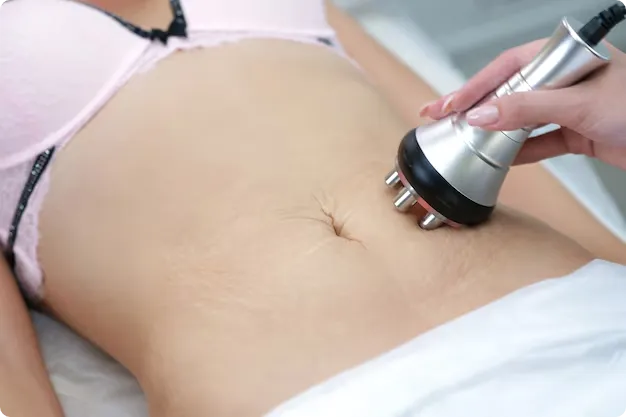
Endolift for postpartum tummy skin has become one of the questions Dr. Sima hears most often from new mothers. Pregnancy stretches the abdominal skin in ways that diet and exercise alone can’t always reverse, and many women feel discouraged when that skin doesn’t tighten back up on its own. A tummy tuck remains the most thorough option for significant excess skin, but it also means surgery, anesthesia, scarring, and weeks of recovery, which isn’t realistic for every new mother. This guide walks through how Endolift works on postpartum tummy skin, how it compares to a tummy tuck, and who genuinely benefits from each option.
Why Postpartum Tummy Skin Behaves Differently
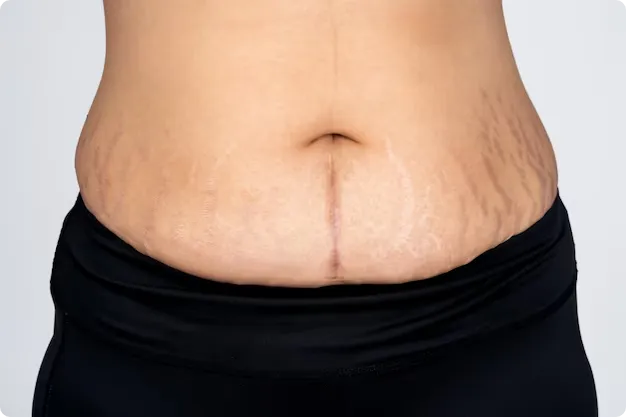
Carrying a pregnancy increases abdominal volume dramatically over just a few months, and the skin has to stretch to accommodate it. Research on postpartum patients has found that this skin laxity can persist for at least four months after delivery, rather than resolving on its own right away.
Hormonal shifts during pregnancy also loosen the connective tissue that normally keeps skin firm, and many women additionally develop diastasis recti, a separation of the abdominal muscles along the midline. Together, these changes explain why the tummy area often responds differently to weight loss and exercise than it did before pregnancy. A closer look at how postpartum skin laxity behaves is available through the National Institutes of Health, which studied these changes directly.
What Is Endolift, and How Does It Help After Pregnancy?
Endolift in dubai is a laser treatment delivered through a hair-thin optical fibre placed just beneath the skin’s surface. Heat from the laser triggers two effects at once: it encourages the body to build fresh collagen, and it helps reduce small, stubborn fat deposits sitting just under the skin.
For postpartum patients specifically, this matters because the tummy area often needs both effects together, tighter skin and a smoother fat layer, rather than one or the other. No incisions, stitches, or general anaesthesia get involved, and most patients return to normal activities the same day. Dr. Sima has a dedicated breakdown of the full Tummy Endolift procedure, including technique and aftercare, for anyone who wants the complete picture beyond this postpartum-specific comparison.
Endolift vs. Tummy Tuck: A Side-by-Side Comparison
Both treatments address loose abdominal skin, but they differ substantially in what they involve and who they suit.
Factor | Endolift | Tummy Tuck |
|---|---|---|
Anesthesia | Local anesthesia only | General anesthesia required |
Incisions | Tiny entry point, no stitches | Full incision across lower abdomen |
Downtime | Same-day return to normal activity | Several weeks of recovery |
Best suited for | Mild to moderate skin laxity and minor fat | Significant excess skin or severe diastasis recti |
Results timeline | Gradual, over three to six months | Immediate, visible after healing |
Scarring | Minimal to none | Permanent surgical scar |
Who Is a Good Candidate for Postpartum Endolift?
Dr. Sima evaluates every new mother individually, but a few patterns tend to predict a good outcome.
Endolift tends to suit patients who:
- Have mild to moderate loose skin rather than significant excess
- Show no severe diastasis recti requiring surgical muscle repair
- Have finished breastfeeding or received clearance from their doctor
- Want a gradual, natural-looking improvement rather than an immediate change
A tummy tuck may be the more appropriate path if you have:
- Significant excess skin that won’t respond to skin-tightening technology alone
- Severe diastasis recti that needs surgical muscle repair
- Goals that require immediate, dramatic results rather than gradual improvement
Safety First: What Dr. Sima Checks Before Recommending Endolift
Before recommending Endolift for postpartum tummy skin, Dr. Sima reviews your delivery history, current breastfeeding status, and the severity of any diastasis recti. She also discusses realistic expectations honestly, since outcomes vary from patient to patient and depend on skin quality, age, and how much the abdomen stretched during pregnancy.
- Mild swelling or tenderness for a day or two after treatment is common
- Results build gradually as your body produces new collagen over the following months
- Most patients need one session, though some benefit from a second a few months later
If Endolift isn’t the right fit for your specific anatomy, Dr. Sima will say so directly and discuss surgical options instead, rather than recommending a treatment simply because it’s non-surgical.
Ready to Talk Through Your Options?
Choosing between Endolift and a tummy tuck comes down to your specific anatomy, your recovery timeline, and how you want your results to unfold. During your consultation with Dr. Sima, you’ll get an honest assessment of which option genuinely fits your body, not a one-size-fits-all recommendation. Book a consultation to find out whether Endolift for postpartum tummy skin is the right next step for you.
FAQs
Dr. Sima reviews this case by case during your consultation, since breastfeeding status affects the recommended timing for any aesthetic treatment.
Most patients wait until their body has largely finished its natural postpartum recovery, though the exact timing depends on your delivery and healing progress.
No. Endolift tightens skin and reduces fat, but it doesn't repair separated abdominal muscles, which typically require targeted physiotherapy or, in more severe cases, surgery.
Most patients describe a similar experience to non-postpartum patients: warmth and mild pressure during the session, without sharp pain.
Results vary by patient, but many maintain their improvement for one to two years, with a single maintenance session available if firmness begins to soften.
Quick Links
Certified Endolift Specialist
at Dynasty Clinic
Copyright © 2026 Dr. Sima . All Rights Reserved. Developed by Digital Marketing Agency in Dubai