
Fotona Laser Downtime: Recovery Time and Aftercare Guide
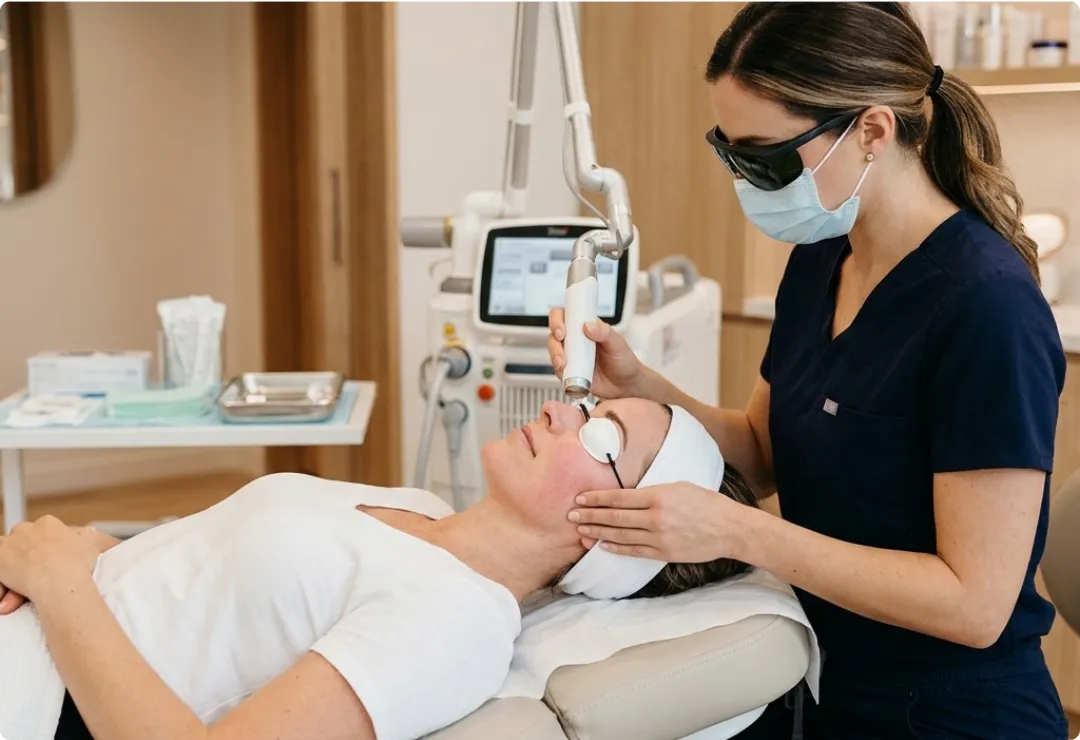
Fotona laser treatments are popular for improving skin texture, reducing fine lines, and giving the face a smoother, firmer appearance. However, before booking a session, one of the first questions patients have is how much downtime they should expect. The recovery period depends on the type of Fotona treatment performed. For example, Fotona 4D is a non-invasive treatment that generally involves minimal downtime, while fractional Er laser resurfacing can cause more noticeable peeling and require additional healing time.
Some patients experience temporary redness, warmth, or mild sensitivity, while others may notice dryness and peeling as their skin heals. Understanding these differences can help you plan your appointment and prepare for the days following treatment. If you are considering Fotona laser treatment in Dubai, this guide explains Fotona laser recovery time, common side effects, the healing process, and essential aftercare tips to help you achieve a comfortable recovery.
What Is Fotona Laser Downtime?
Fotona laser downtime refers to the period your skin needs to recover after treatment. During this time, you may experience temporary changes such as redness, warmth, swelling, dryness, or peeling.
Fotona uses two laser wavelengths, Er and Nd, to address different skin concerns. Depending on the selected treatment protocol, laser energy can target deeper skin structures, stimulate collagen remodelling, or improve the appearance of the skin’s surface.
Downtime does not always mean staying at home. Many patients can continue their daily activities after Fotona 4D, although visible redness or sensitivity may influence their plans.
How Long Does Fotona Laser Downtime Last?
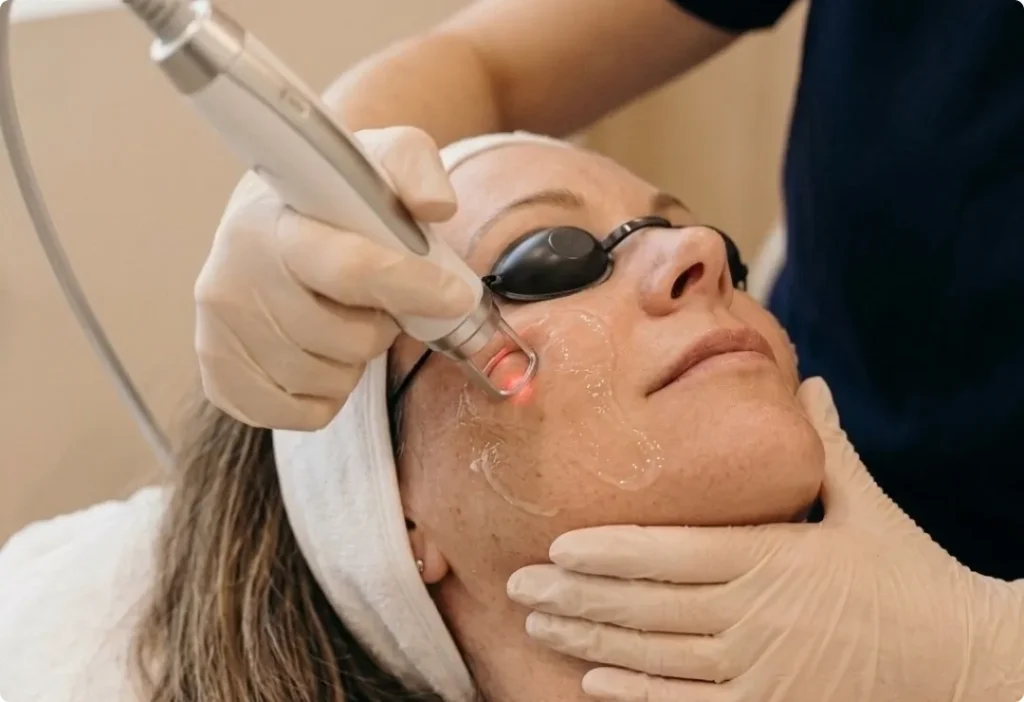
Fotona laser downtime can range from minimal recovery to approximately a week or longer, depending on the treatment performed.
With Fotona 4D, most patients can resume normal activities immediately. Mild redness may last a day or two, and some patients experience light peeling several days after treatment.
Fractional Er resurfacing generally involves more noticeable recovery. Redness, swelling, and peeling may develop during the first week, with some redness potentially remaining after the visible peeling has settled.
Several factors influence Fotona laser recovery time:
Treatment protocol: Fotona 4D and fractional resurfacing involve different treatment approaches and recovery expectations.
Laser intensity: Higher treatment settings can increase the amount of visible skin reaction.
Skin sensitivity: Sensitive skin may react more noticeably after treatment.
Treatment area: Different facial areas can respond differently to laser energy.
Aftercare routine: Following your doctor’s instructions can help reduce unnecessary irritation.
These are general expectations rather than guaranteed recovery times. Your doctor can explain the likely downtime after assessing your skin and selecting the appropriate treatment.
Fotona 4D vs Fractional Er:YAG: Understanding Recovery Time
Although both treatments use Fotona laser technology, their recovery experiences are different.
Fotona 4D Recovery Time
Fotona 4D combines four treatment modes using Er and Nd laser wavelengths. These include intraoral tightening, deeper skin rejuvenation, bulk heating, and a light surface peel.
The treatment is designed to improve skin firmness, fine lines, and overall skin quality without surgery.
Most patients experience minimal downtime and can return to their normal daily activities immediately. Mild redness may remain for approximately 24–48 hours, while some patients notice slight dryness or peeling over the following days.
The final recovery experience depends on the intensity of the treatment, particularly the surface-peeling component.
Fractional Er Resurfacing Recovery Time
Fractional Er resurfacing works differently because it creates controlled treatment zones in the skin to encourage renewal and improve surface texture.
Following treatment, the skin may become red, swollen, and sensitive. Peeling often develops during the first week, with visible recovery commonly taking around 5–7 days for some treatment settings.
More intensive resurfacing can require additional recovery time, and residual redness may remain for longer.
Your doctor should explain whether your treatment is superficial or deeper fractional resurfacing, as this makes a difference to the expected downtime.
Fotona Laser Recovery Timeline: What Happens Day by Day?
Although everyone’s experience is different, understanding the general recovery stages can help you know what to expect.
First 24 Hours After Treatment
Immediately after Fotona treatment, your skin may feel warm, slightly tight, or sensitive. Some patients notice redness that resembles mild sunburn, particularly after treatments involving resurfacing.
Keep your skincare routine simple during this period. Use a gentle cleanser and moisturiser if recommended by your doctor, and avoid applying products that may irritate freshly treated skin.
Days 2–3: Redness and Sensitivity Begin to Settle
After Fotona 4D, redness and warmth generally become less noticeable during the first couple of days. Some patients may experience mild dryness or sensitivity.
Following fractional Er resurfacing, redness and swelling may remain more noticeable. Your skin may also begin to feel dry or tight.
Continue following your aftercare instructions and avoid exfoliating the treated area.
Days 4–7: Dryness and Peeling May Occur
Peeling is more noticeable following resurfacing treatments. Small flakes or areas of shedding may develop as the treated skin renews.
Allow your skin to shed naturally. Pulling away loose skin or using exfoliating products can cause unnecessary irritation.
After Fotona 4D, any light peeling is generally less noticeable, although individual responses vary.
After One Week: Continued Skin Recovery
Many patients undergoing Fotona 4D have already returned to their usual activities by this stage. Following fractional resurfacing, visible peeling may have settled, although some redness or sensitivity can remain.
Remember that visible recovery and deeper skin changes happen at different speeds. Collagen-related improvements can continue developing over the following weeks and months.
Common Fotona Laser Side Effects
Understanding potential Fotona laser side effects can help you distinguish between expected short-term reactions and symptoms that need medical attention.
Redness
Redness is one of the most common short-term reactions after laser treatment. It may look similar to mild sunburn and usually becomes less noticeable as your skin recovers.
Warmth and Mild Swelling
Some patients experience warmth or slight swelling immediately after treatment. These effects generally improve during the initial recovery period.
Dryness and Tightness
Your skin may feel dry or tight as it recovers. A suitable moisturiser can help maintain comfort and support the skin barrier.
Peeling and Flaking
Peeling can occur after Fotona treatments that involve resurfacing. Some patients experience noticeable flaking, while others have very little. More peeling does not necessarily mean better results.
Temporary Skin Sensitivity
Your skin may become more sensitive to sunlight, skincare products, and heat during recovery. Gentle skincare and consistent sun protection are particularly important.
If you experience blistering, severe pain, increasing swelling, spreading redness, or unusual skin changes, contact your doctor.
How to Care for Your Skin After Fotona Laser
Good aftercare makes a difference. Your skin needs time to settle, and a few simple habits can help support the healing process.
1. Keep Your Skincare Routine Gentle
Avoid experimenting with new skincare products immediately after treatment. Choose a mild, fragrance-free cleanser and a moisturiser recommended by your doctor.
Avoid harsh scrubs, exfoliating brushes, and products that make your skin sting. A simple routine is generally easier to manage while your skin is healing.
2. Apply Sunscreen Every Day
Sun protection is particularly important after laser treatment. Freshly treated skin may be more sensitive to ultraviolet exposure, and excessive sun exposure can increase irritation and the risk of pigmentation changes.
Use a broad-spectrum SPF 30–50 sunscreen as advised by your doctor. If you spend time outdoors in Dubai, wear a hat and seek shade whenever possible.
3. Avoid Strong Active Ingredients
Give your skin a break from potentially irritating products until your doctor confirms that it is ready.
These may include:
Retinol and prescription retinoids.
Glycolic acid.
Salicylic acid.
Strong exfoliating products.
Other chemical exfoliants.
The appropriate pause depends on your treatment intensity and recovery. Ask your doctor before restarting these products.
4. Do Not Pick or Scrub Peeling Skin
Peeling is sometimes part of the recovery process. Pulling flakes away or scrubbing the treated area can irritate the skin and interfere with healing.
Let the skin shed naturally and ask your doctor whether additional moisturiser is suitable if certain areas feel particularly dry.
5. Avoid Excessive Heat
For the first few days, ask your doctor when it is safe to return to activities that expose your skin to significant heat. These may include saunas, steam rooms, hot baths, and intense workouts.
6. Follow Your Doctor’s Instructions
Different Fotona protocols require different aftercare. For additional information, consult Fotona’s official treatment guidance, which discusses moisturising, sun protection, and common skin reactions after Fotona4GLOW treatment.
Remember that this guidance relates to a specific protocol. Your own doctor should provide instructions based on your treatment.
Can You Wear Makeup After Fotona Laser?
This depends on the treatment intensity and how your skin looks afterwards.
After Fotona 4D, some clinics allow patients to resume makeup after approximately 24 hours. However, if you have noticeable peeling, irritation, or a more intensive resurfacing treatment, you may need to wait longer.
Applying makeup too early can irritate freshly treated skin. It is best to ask your doctor before returning to your usual makeup routine.
Can You Return to Work After Fotona Laser?
Most patients undergoing Fotona 4D can return to their normal activities immediately or the following day, depending on redness and sensitivity.
Following fractional Er resurfacing, you may prefer to allow several days for visible peeling and redness to settle.
If your job involves prolonged outdoor exposure, remember that sun protection is an important part of recovery. Planning your appointment around your work and social schedule can make the experience more comfortable.
When Will You See Results After Fotona Laser?
Some patients notice an early improvement in skin appearance once the initial redness settles. However, the more meaningful collagen-related changes take time.
Collagen production and remodelling happen gradually. Depending on your treatment plan, you may notice improvements in skin texture, fine lines, overall smoothness, mild skin laxity, and the appearance of certain superficial scars.
With Fotona 4D, some initial improvements may be visible soon after treatment, while fuller results generally develop over two to three months.
Your final results depend on your original skin condition, treatment settings, and individual response.
If pigmentation is your main concern, your doctor may also discuss suitable hyperpigmentation treatment in Dubai as part of your overall skin plan.
Fotona Laser vs Other Skin Rejuvenation Treatments
Fotona is not the only option available for improving skin quality. Different treatments work in different ways, and the right choice depends on your primary concern.
For example, laser treatments target specific skin structures using controlled light energy. Regenerative treatments such as PRF use components from your own blood to support skin renewal.
Here is a general comparison of some popular skin rejuvenation options:
| Treatment | Main purpose | Typical recovery |
|---|---|---|
| Fotona 4D | Skin tightening, collagen stimulation and rejuvenation | Little or no downtime; mild redness may last 1–2 days |
| Fractional Er | Skin resurfacing and texture improvement | Several days of redness and peeling; often around 5–7 days of visible peeling |
| PRF treatment | Supports skin quality and natural regenerative processes | Temporary swelling, redness or bruising may occur |
| Microneedling | Improves skin texture and stimulates collagen | Redness and sensitivity commonly last 1–3 days |
These recovery periods are general estimates, not guarantees. Treatment depth, settings, individual skin response, and aftercare can change the healing process.
If you are unsure which option suits your needs, a professional assessment can help you understand the differences, expected downtime, and realistic results.
When Is Fotona Laser Recovery Not Normal?
Although mild redness, warmth, dryness, and occasional peeling can be expected, certain symptoms should not be ignored.
Contact your treating doctor if you notice increasing or severe pain, significant swelling, blistering, spreading redness, pus or unusual discharge, fever, or unexpected skin colour changes.
These symptoms may indicate a complication or an unexpected reaction that needs medical assessment. Avoid trying to manage severe symptoms with home remedies without speaking to your doctor.
FAQs
Neither treatment is universally better. Endolift tends to outperform Morpheus8 when fat reduction and deeper tightening are needed. Morpheus8 tends to outperform Endolift when the main concern is skin texture rather than laxity or fat.
Yes. Some patients use Morpheus8 to refine texture and Endolift to address deeper laxity or fat, spaced appropriately apart. Dr. Sima will advise on timing based on individual skin recovery.
Endolift generally involves less visible downtime. Most patients see mild swelling that settles within a day or two, while Morpheus8 can cause redness and swelling for several days due to the needling.
Cost depends on the treatment area and the number of sessions required. Morpheus8 usually requires a course of three sessions, while Endolift is often completed in a single session, which can affect the overall cost of each option.
Quick Links
Certified Endolift Specialist
at Dynasty Clinic
Copyright © 2026 Dr. Sima . All Rights Reserved. Developed by Digital Marketing Agency in Dubai