
PRF vs PRP for Under Eyes: What's the Difference?
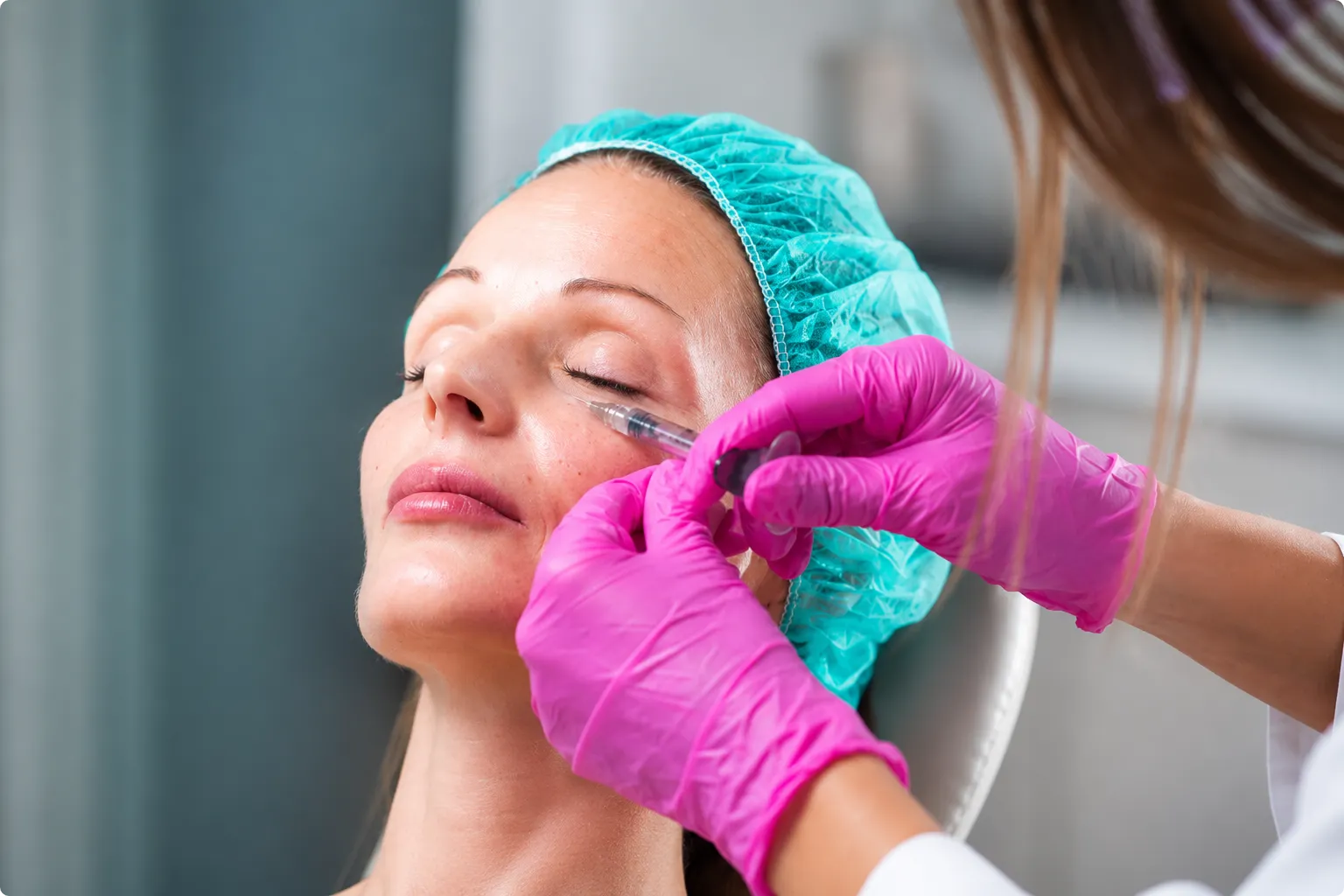
Dark circles and tired-looking eyes usually develop over time, and choosing the right treatment shouldn’t be confusing. If you’re comparing PRF vs PRP for under eyes, you may have seen that both treatments use your own blood to improve the appearance of the under-eye area. While they have similar goals, they work in different ways. Understanding these differences can help you choose the treatment that best suits your skin concerns and expectations.
What Is the Real Difference Between PRF and PRP?
Both PRF and PRP start with a small blood draw, similar to a routine blood test. The blood is then processed and injected into the under-eye area to help improve dark circles, tired-looking eyes, and skin quality. The main difference is how the blood is processed and how quickly the healing factors are released.
PRP (Platelet-Rich Plasma)
Blood is spun quickly in a machine.
An anticoagulant is added to prevent clotting.
Platelets and growth factors are concentrated into a liquid plasma.
After injection, the growth factors are released rapidly, usually within hours.
PRF (Platelet-Rich Fibrin)
Blood is spun more gently and slowly.
No anticoagulant is used.
A soft, gel-like fibrin matrix forms naturally.
This matrix holds platelets, white blood cells, and growth factors.
After injection, the healing factors are released gradually over several days.
PRF vs PRP for Under Eyes: Quick Comparison
Here is how the two treatments stack up side by side:
Factor | PRF | PRP |
Preparation | Slow spin, no additives | High-speed spin with anticoagulant |
Growth Factor Release | Slow and sustained over days | Fast, within hours |
Texture | Gel-like fibrin matrix | Liquid plasma |
Best Suited For | Hollow, thin, or fragile under-eye skin | Dark circles and overall tone |
Typical Sessions | 2 to 4 | 3 to 6 |
Downtime | Minimal | Minimal |
Which Treatment Works Best for Dark Circles?
There is no single treatment that works best for everyone because dark circles can have different causes. Some people have thin skin that makes blood vessels more visible, while others have hollow under-eyes or dull-looking skin. The right option depends on your individual concerns, which Dr. Sima carefully evaluates during your consultation.
PRF may be a better choice if you have:
Thin skin under the eyes
Visible blue or purple blood vessels
Hollow tear troughs
A desire for gradual, natural-looking improvement
PRP may be a good option if you have:
Mild dark circles
Dull or tired-looking skin
Early signs of aging
A goal of improving overall skin quality and radiance
For patients with hollow under-eyes and dark circles, Dr. Sima often recommends PRF because its gel-like consistency provides gentle support while gradually improving skin quality. Since every patient is different, she creates a personalized treatment plan based on your skin condition and aesthetic goals. Neither treatment fully resolves pigmentation-based dark circles caused by excess melanin. If that is your main concern, Dr. Sima may recommend pairing either treatment with a dedicated pigmentation treatment for more complete, even-toned results.
What Happens During PRF Eye Injections?
Knowing what to expect makes the entire process far less intimidating, especially around an area as sensitive as your eyes.
- Cleansing the under-eye area and applying a topical numbing cream
- Drawing a small blood sample, just like a standard lab test
- Spinning the sample in a specialised centrifuge to form the PRF fibrin matrix
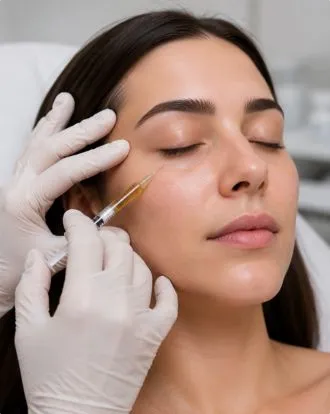
- Injecting the PRF into precise points around the periorbital area using a fine needle or cannula
- Reviewing aftercare instructions before you leave
Most appointments wrap up within 45 minutes to an hour. Since the numbing cream takes effect beforehand, most patients describe the sensation as mild pressure rather than genuine pain.
PRP eye injections follow a nearly identical process, with one key difference: the thinner, more liquid plasma sometimes spreads slightly further during injection. Dr. Sima personally selects the treatment depth and technique based on your individual anatomy during your consultation, keeping either treatment precise around such a delicate area.
How Do PRF and PRP Results Compare for Under Eyes?
Results timelines differ meaningfully between the two treatments, and understanding this upfront helps prevent disappointment later. With PRP, many patients notice an initial brightening within the first one to two weeks, since the rapid growth factor release kicks in almost immediately. Later sessions then build on that early improvement.
With PRF under eye treatment, the timeline unfolds more gradually. Swelling settles within the first week, skin texture and hydration improve noticeably from around week three onward, and full collagen remodelling becomes visible closer to the three-month mark. According to a systematic review of platelet concentrates for periorbital rejuvenation, this sustained release may support more meaningful collagen stimulation in the thin, fragile skin beneath the eyes.
Timeframe | PRP Under Eyes | PRF Under Eyes |
Week 1–2 | Initial brightness and glow | Swelling and redness settle |
Week 3–6 | Continued tone improvement | Texture and hydration improve |
Month 2–3 | Optimal results after full course | Dark circles visibly reduced |
Month 3–6 | Maintenance session recommended | Full collagen remodelling complete |
Longevity | 12 to 18 months | 12 to 18 months |
What Do PRF Under Eyes Before and After Results Actually Look Like?
Photos matter, but they only tell part of the story. Patients who undergo PRF vs PRP for Under Eyes before and after comparisons typically show three consistent changes:
- A visible reduction in the bluish or grey tone under the eyes
- Smoother, less crepey-looking skin texture
- A softer transition between the lower eyelid and the cheek, especially with mild hollowing
What those photos do not always capture is how gradual the change feels day to day. Most patients do not wake up one morning to dramatically different eyes. Instead, friends and colleagues start commenting that you look more rested weeks after the swelling has fully settled, often before you notice the shift yourself in the mirror.
During your consultation, Dr. Sima show real patient results that closely match your specific concerns, whether that involves dark circles, hollowing, or a combination of both.
How Long Is the Recovery Time for Each Treatment?
Recovery time is one of the most common questions before booking either treatment, and the honest answer is reassuring: both are remarkably gentle.
PRF under eyes recovery time typically involves:
- Mild swelling or puffiness for one to three days
- Occasional light bruising near injection points, fading within a week
- No mandatory downtime, with most patients returning to work the same day or the next
PRP recovery follows an almost identical pattern, with swelling and redness usually settling within one to three days as well.
Allergic reactions remain extremely rare with either option, since both treatments use your own blood with no foreign substances involved. Avoid makeup for the first 24 hours, and limit sun exposure while the skin heals.
If you are choosing between the two purely on convenience, recovery time will not really decide it for you, since both treatments interrupt your routine in nearly the same minimal way. The real deciding factors are your specific skin concern, your patience for gradual results, and your budget.
Which One Should You Choose?
There is not a universally better option between PRF vs PRP for Under Eyes. Each one answers a slightly different question.
PRF for under eyes generally works best when:
- Hollowing or tear trough volume loss plays a role in the concern
- Skin feels notably thin, crepey, or fragile
- You prefer a slower, more natural-feeling regenerative process
- You have already tried PRP or filler without the result you wanted
PRP tends to suit patients better when:
- Dark circles remain the primary concern without significant hollowing
- A faster initial improvement matters more to you
- The treatment area extends beyond the eyes, such as the cheeks or full face
- Your budget allows for a slightly higher number of sessions
Many patients in Dubai do not have to choose just one option. Dr. Sima often combines both treatments, or pairs either one with under eye filler in cases of more advanced volume loss, addressing multiple concerns within a single, personalised treatment plan.
For a deeper dive into how PRF performs specifically around the eyes, see Dr. Sima’s dedicated PRF for under eyes treatment page, or explore the full PRP in Dubai service if regeneration beyond the eye area interests you. A proper, in-person assessment remains the only reliable way to know which path suits your eyes, since photos and online research can only go so far.
Why Trust Dr. Sima With Your Under-Eye Treatment in Dubai?
The eye area forgives very little. Too much filler looks puffy. The wrong technique creates shadowing instead of removing it. This is precisely why experience matters more here than almost anywhere else on the face.
Dr. Sima holds a DHA license and has spent years refining injection technique specifically for the periorbital region, one of the most delicate and unforgiving areas to treat safely. Every consultation begins with an honest assessment rather than a sales pitch. If PRF or PRP is not the right fit for your anatomy or goals, Dr. Sima says so directly and recommends a more suitable alternative instead.
Each treatment plan reflects a personalised evaluation of your skin quality, the depth of any hollowing, and your aesthetic goals, rather than a generic protocol applied to every patient. You can read more about her training and approach on her about page before booking your consultation.
FAQs
Both treatments feel similar during injection. With topical numbing cream applied beforehand, most patients describe a brief pinching or mild pressure sensation rather than genuine pain, regardless of which treatment is chosen.
Yes. Combining both treatments allows patients to benefit from PRP's fast initial brightening alongside PRF's longer, more sustained collagen stimulation. Dr. Sima evaluates whether combination therapy makes sense for your specific concerns during your consultation.
Most PRF under eye treatment plans involve two to four sessions spaced four to six weeks apart. PRP plans typically involve three to six sessions on a similar schedule. The exact number depends on your skin condition and goals.
Pricing varies depending on the number of sessions required, but PRF and PRP sessions are generally priced within a similar range. Dr. Sima provides a transparent, personalised quote during your initial consultation.
Quick Links
Certified Endolift Specialist
at Dynasty Clinic
Copyright © 2026 Dr. Sima . All Rights Reserved. Developed by Digital Marketing Agency in Dubai