
Platelet-Rich Plasma Treatment for Acne Scars: What to Expect
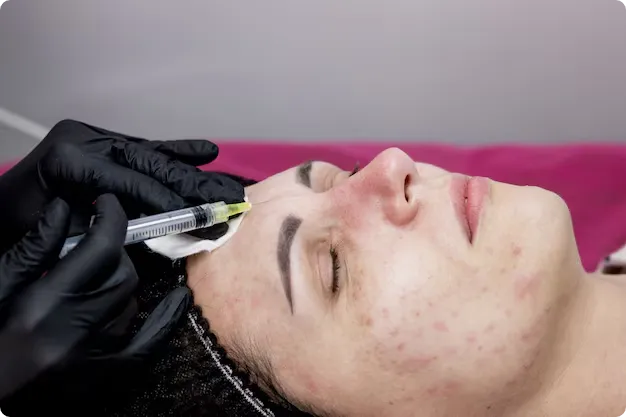
Platelet Rich Plasma treatment for acne scars is one of the few non-surgical options that works by rebuilding tissue rather than simply resurfacing the skin’s top layer. PRP uses growth factors drawn from a patient’s own blood to encourage new collagen in areas where acne has left depressed, uneven scarring. Dr. Sima uses PRP for patients whose acne scars have left lasting texture changes, often pairing it with microneedling to reach deeper into the scar tissue. This guide explains how PRP works on acne scars, which scar types respond best, and what results typically look like.
How Does PRP Improve Acne Scars?
Acne scarring forms when inflamed breakouts damage the collagen structure beneath the skin, leaving a pitted or uneven surface once healing is complete. PRP is prepared by drawing a small blood sample and concentrating the platelets it contains, which release growth factors when injected or applied to the skin. Those growth factors stimulate fibroblasts to produce new collagen in the scarred area, gradually filling in depressed scars and improving overall skin texture. Dr. Sima often uses microneedling alongside PRP, since the micro-channels created by needling allow the growth factors to reach deeper into the dermis where scar tissue sits.
Which Acne Scars Respond Best to PRP?
PRP in Dubai works best for certain scar types.
It is commonly used for:
- Rolling scars
- Boxcar scars
- Mild to moderate atrophic scars
- Uneven skin texture
PRP is generally less effective as a standalone treatment for:
- Deep ice-pick scars
- Raised (hypertrophic) scars
- Keloid scars
For deeper scars, your doctor may recommend combining PRP with microneedling, laser resurfacing, or subcision for better results.
PRP Alone or PRP with Microneedling?
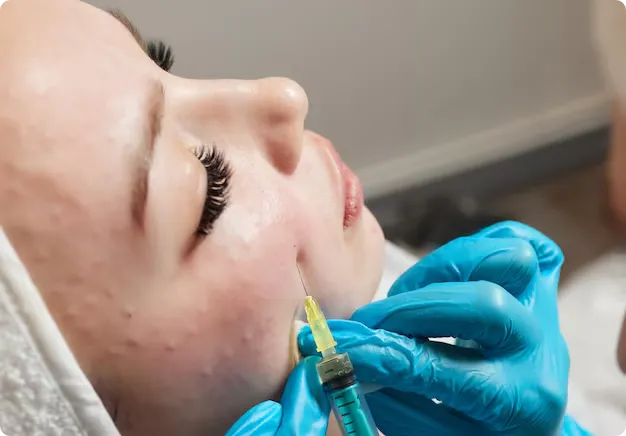
PRP can be applied topically after microneedling or injected directly into scarred tissue, and the two are frequently combined for acne scars specifically. Microneedling creates controlled micro-injuries that trigger the skin’s own repair process, and layering PRP on top supplies additional growth factors exactly where that repair is happening. A study following 107 patients treated with PRP and microneedling together reported softer, more elastic scar tissue and a healthier overall skin appearance after a course of sessions (PMC, 2024). Dr. Sima builds each protocol around the patient’s scar pattern rather than applying the same combination to every case.
What Happens During the Procedure?
A PRP session usually takes around 45 to 60 minutes.
The treatment typically includes:
Step 1: Blood Collection
A small amount of blood is drawn from your arm, similar to a routine blood test.
Step 2: PRP Preparation
The blood is placed in a centrifuge, which separates the platelet-rich plasma from the other blood components.
Step 3: Skin Preparation
Your skin is cleansed, and a numbing cream may be applied to improve comfort.
Step 4: PRP Application
Depending on your treatment plan, the PRP may be:
- Injected directly into acne scars
- Applied after microneedling
- Combined with other skin rejuvenation procedures
The procedure is minimally invasive, and most patients tolerate it well.
What Results Can You Expect?
Improvement with PRP develops gradually as collagen remodels, rather than appearing immediately after treatment. Most patients notice early changes in skin texture within four to six weeks, with more complete improvement in scar depth visible after two to three months. Because acne scarring responds best to a course of treatment rather than a single session, Dr. Sima typically recommends three to six sessions spaced several weeks apart, with the exact number depending on scar severity.
Is PRP for Acne Scars Safe?
Because PRP is prepared from the patient’s own blood, the risk of allergic reaction is low and side effects are usually limited to mild redness, swelling, or light bruising at the treatment site. Patients with active skin infections, certain blood disorders, or who are pregnant or breastfeeding are generally advised against PRP until those conditions resolve. Dr. Sima reviews medical history before confirming any patient as a candidate.
Cost of PRP Acne Scar Treatment in Dubai
Cost depends on the number of sessions needed, the extent of scarring, and whether microneedling or a complementary regenerative treatment is included in the plan. Since acne scar treatment is rarely a single-session process, Dr. Sima provides a full quote covering the recommended course of sessions after an in-person assessment rather than a per-session price alone.
How Long Do Results Last?
Results vary depending on:
- Scar severity
- Age
- Lifestyle
- Skin quality
- Number of treatments completed
Many patients enjoy improvements that last a year or longer, especially when supported by a good skincare routine and maintenance treatments.
Benefits of PRP for Acne Scars
Some of the key advantages include:
- Uses your own natural growth factors
- Minimally invasive
- Little downtime
- Improves overall skin quality
- Stimulates long-term collagen production
- Suitable for many skin types
- Can be combined with other scar treatments
Who Is a Good Candidate?
PRP may be suitable if you:
- Have mild to moderate acne scars
- Want a natural treatment without synthetic fillers
- Are in generally good health
- Have realistic expectations
- Are looking to improve skin texture gradually
Your doctor will assess your skin and recommend whether PRP alone or a combination treatment is the best option.
Preparing for Your PRP Treatment
Before your appointment, your provider may recommend:
- Drinking plenty of water
- Avoiding alcohol for 24 hours
- Avoiding smoking if possible
- Limiting anti-inflammatory medications unless medically necessary
- Arriving with clean skin free of makeup
Following your provider’s instructions helps optimize the quality of the PRP.
Aftercare Tips
Following treatment:
- Avoid direct sun exposure for several days.
- Skip harsh skincare products for 24 to 48 hours.
- Keep the skin moisturized.
- Avoid strenuous exercise for the first day.
- Wear sunscreen daily to protect healing skin.
Proper aftercare supports recovery and helps maximize your results.
Final Thoughts
Platelet-Rich Plasma treatment offers a natural, minimally invasive approach to improving acne scars by stimulating your body’s own healing process. While results develop gradually, many patients experience smoother skin, improved texture, and increased confidence after completing a recommended treatment plan. Consulting an experienced provider is the best way to determine whether PRP is the right solution for your skin and whether combining it with other treatments can help you achieve the best possible outcome.
FAQs
Research suggests that combining PRP with microneedling often produces better improvements in acne scars than microneedling alone.
No. PRP improves the appearance of acne scars but does not completely eliminate them.
Most patients benefit from three to six sessions, depending on the severity of their scars.
Because PRP is made from your own blood, the risk of allergic reactions is very low when the treatment is performed by qualified medical professionals.
Quick Links
Certified Endolift Specialist
at Dynasty Clinic
Copyright © 2026 Dr. Sima . All Rights Reserved. Developed by Digital Marketing Agency in Dubai