
What Is Fibrosis After Liposuction? Causes, Symptoms, and Treatment Options

Liposuction removes stubborn fat, but the healing process afterward does not always go smoothly. Some patients develop fibrosis after liposuction, which can cause hard lumps, tight bands, or uneven texture in the treated area months after surgery. This condition affects the final result far more often than most patients expect.
Understanding why fibrosis happens, and which treatments actually work, helps you make informed decisions during recovery. If you are already noticing symptoms, our PB Serum for Fibrosis treatment page outlines how Dr. Sima Clinic approaches non-surgical correction.
What Causes Fibrosis After Liposuction?
Fibrosis develops when your body overproduces collagen while healing. Consequently, the tissue beneath your skin thickens and hardens instead of settling smoothly.
Several factors increase the risk:
- Tissue trauma during surgery. The cannula used in liposuction disrupts fat and connective tissue, which triggers inflammation and scar formation.
- Technique used. Energy-based methods such as Vaser, SmartLipo, or laser-assisted lipo generate heat. As a result, they can increase collagen production and raise fibrosis risk.
- Large treatment areas. More tissue manipulation generally means a longer, more intense healing response.
- Inconsistent aftercare. Skipping compression garments or delaying movement often worsens fibrosis instead of preventing it.
- Individual healing patterns. Genetics & overall health also influence how much scar tissue your body forms.
Common Symptoms of Post-Lipo Fibrosis
Fibrosis does not always look or feel the same for every patient. That said, common signs include:
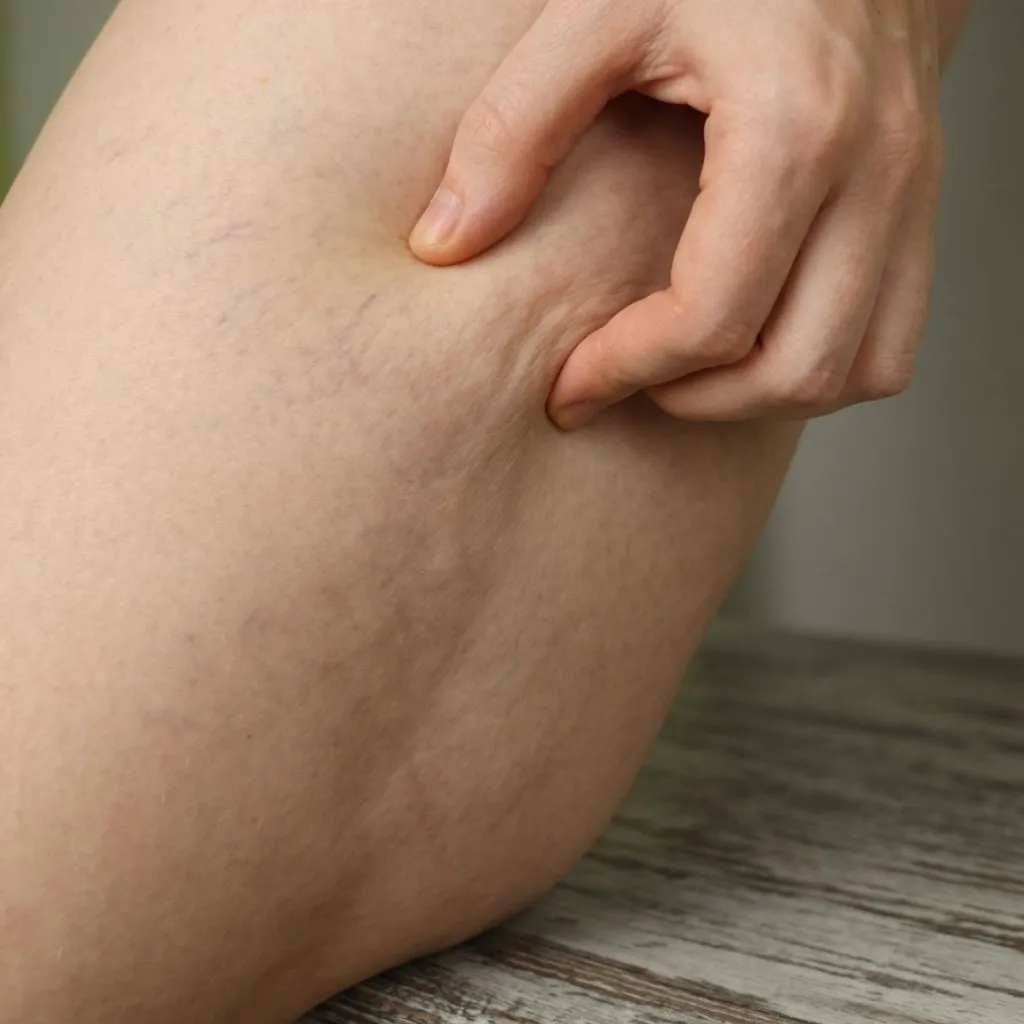
- Firm or hard lumps beneath the skin
- Dimpling, puckering, or a rippled surface
- Tightness or restricted movement in the treated area
- Uneven contours that persist months after surgery
- Discomfort or mild pain when the area is touched
Mild fibrosis often improves with massage and time. Persistent or severe fibrosis, however, usually needs professional treatment to resolve.
Is Fibrosis the Same as Normal Post-Lipo Swelling?
Not exactly. Swelling typically peaks within the first two weeks and softens gradually. Fibrosis, on the other hand, tends to feel firmer than swelling and does not fade on the same timeline. If firmness remains three to six months after surgery, it is more likely fibrosis than lingering swelling.
Treatment Options for Fibrosis After Liposuction
Several approaches exist, and the right one depends on how severe your fibrosis is.
Massage therapy helps break down early-stage fibrous tissue and supports circulation. It works best when started within weeks of surgery.
Compression garments manage fluid buildup and encourage even healing during the first recovery phase.
Steroid injections can reduce inflammation in some cases. However, they carry risks, including skin thinning and pigmentation changes, so careful dosing matters.
Ultrasound therapy uses sound waves to loosen dense tissue, though results vary by case.
PB Serum enzyme therapy targets the structural cause of fibrosis directly. The treatment uses collagenase, lipase, and hyaluronidase to break down dense collagen bands at the tissue level, rather than only easing surface symptoms. For patients also dealing with stubborn fat pockets alongside fibrosis, our PB Serum for Fat Dissolving page covers that related use case.
How PB Serum Enzyme Therapy Works for Fibrosis
PB Serum injections deliver enzymes directly into fibrotic tissue. Collagenase breaks down the fibrous bands responsible for lumps and tightness. Meanwhile, hyaluronidase and lyase restore hydration and flexibility to the surrounding skin.
Because the treatment works at the protein level, it addresses the tissue itself instead of masking irregularities. Most sessions take around 30 minutes, and patients return to normal activities the same day.
Full protocol details, from assessment through recovery, are available on our PB Serum for Fibrosis page.
When Should You See a Doctor About Fibrosis?
Book a consultation if you notice:
- Hard lumps that have not softened three months after surgery
- Visible contour irregularities affecting your results
- Tightness that limits movement in the treated area
- Persistent discomfort in the surgical site
A trained provider can distinguish fibrosis from other post-surgical changes and recommend a treatment plan suited to your tissue.
Fibrosis Is Common, But It Is Treatable
Many patients are told fibrosis is simply part of healing and to wait it out. While mild cases often do resolve, moderate to severe fibrosis usually needs targeted treatment to fully soften. Non-surgical options like PB Serum offer a way to address the tissue without additional downtime or surgery.
Dr. Sima Clinic provides personalized fibrosis assessments in Dubai and can help you understand whether PB Serum, massage, or a combined protocol fits your recovery stage best. Explore our full PB Serum treatment options or book a consultation to get started.
FAQs
Mild fibrosis often softens within three to six months with massage and compression. Moderate to severe fibrosis can persist longer without targeted treatment.
Some mild fibrosis resolves naturally as part of healing. However, dense or long-standing fibrosis usually requires professional treatment such as massage therapy or enzyme injections.
PB Serum can help with both recent and long-standing fibrosis, though results and timelines vary depending on tissue density and age.
Quick Links
Certified Endolift Specialist
at Dynasty Clinic
Copyright © 2026 Dr. Sima . All Rights Reserved. Developed by Digital Marketing Agency in Dubai