
What Is Lipedema? Early Signs Every You Should Know
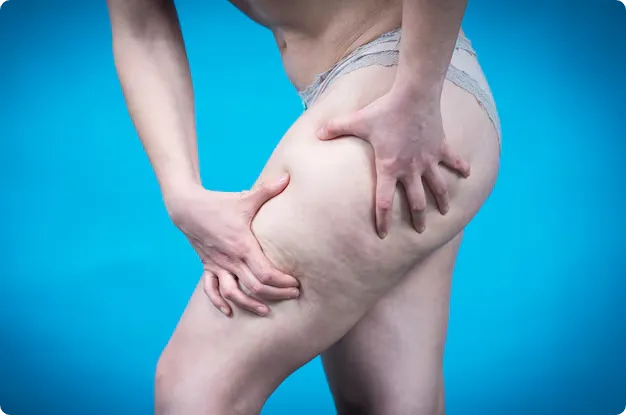
Lipedema is a chronic condition that causes an abnormal buildup of fat, usually in the legs, hips, buttocks, and sometimes the arms. It almost exclusively affects women and often develops during puberty, pregnancy, or menopause. Unlike regular body fat, lipedema fat does not respond well to diet or exercise. Many women mistake it for obesity or lymphedema, which can delay diagnosis and treatment.
Recognizing the early signs of lipedema is important because early treatment may help manage symptoms, improve mobility, and slow the progression of the condition. Dr. Sima Khaiyati evaluates each patient carefully to confirm whether lipedema is the cause of their symptoms. She then recommends a personalized treatment plan based on the stage of the condition and the patient’s goals.
What Is Lipedema?
Lipedema is a long-term fat disorder that affects the way fat is stored beneath the skin. It causes a symmetrical increase in fat tissue, most commonly in the lower body.
Unlike obesity, lipedema usually affects both sides of the body equally while leaving the feet and hands unaffected.
The condition may cause:
- Painful fatty tissue
- Easy bruising
- Swelling
- Tenderness
- A heavy feeling in the legs
- Reduced mobility as the condition progresses
Many women live with lipedema for years before receiving the correct diagnosis.
Who Is Most Likely to Develop Lipedema?
Lipedema primarily affects women.
The condition often develops during periods of hormonal change, including:
- Puberty
- Pregnancy
- Menopause
Researchers also believe genetics play an important role. Many women with lipedema have a close family member with similar symptoms.
Early Signs of Lipedema Every Woman Should Know
The exact cause remains unknown. However, several factors appear to contribute.
Hormonal Changes
Hormonal fluctuations are strongly associated with lipedema. Many women first notice symptoms during puberty, pregnancy, or menopause.
Genetics
Lipedema often runs in families. Researchers believe inherited genes increase the risk of developing the condition.
Changes in Connective Tissue
Abnormal connective tissue may affect how fat develops beneath the skin. This contributes to the characteristic swelling and tenderness.
Inflammation
Chronic inflammation within fatty tissue may also contribute to pain and disease progression.
Early Signs of Lipedema Every Woman Should Know
Recognizing the symptoms early can help you seek medical advice before the condition progresses.
1. Fat Builds Up in the Legs
One of the first signs is a gradual increase in fat around the:
- Hips
- Thighs
- Buttocks
- Calves
The fat usually develops evenly on both sides of the body.
2. Your Feet Stay Normal
Unlike lymphedema, lipedema usually does not affect the feet. There is often a clear line where swelling stops above the ankles. This feature helps doctors distinguish lipedema from other conditions.
3. Your Legs Feel Heavy
Many women describe their legs as:
- Heavy
- Tight
- Tired
These symptoms may become worse after standing for long periods.
4. Pain When You Press the Skin
Lipedema fat is often painful. Even gentle pressure may cause discomfort or tenderness. Pain is one of the features that separates lipedema from ordinary body fat.
5. You Bruise Easily
Women with lipedema often notice bruises after minor bumps that would not normally leave marks. Fragile blood vessels beneath the skin contribute to easy bruising.
6. Diet and Exercise Do Not Reduce the Fat
Many women lose weight from their face or upper body while the fat in their legs remains almost unchanged. This difference is one of the strongest signs that the condition may not be obesity.
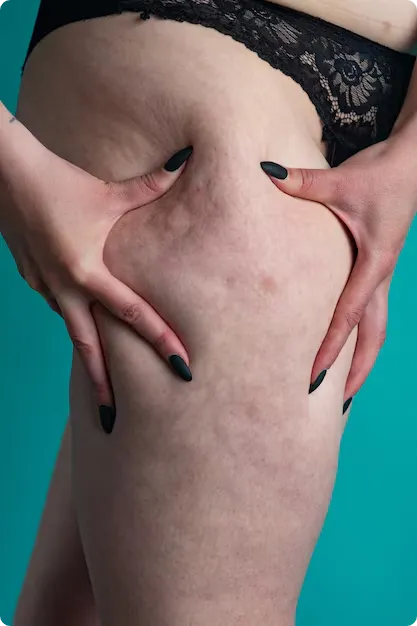
7. The Skin May Become Uneven
As lipedema progresses, the skin may develop:
- Small nodules
- Uneven texture
- Larger fat deposits
Without treatment, these changes may become more noticeable over time.
Lipedema vs Obesity
Lipedema and obesity are different conditions.
Lipedema | Obesity |
Fat develops symmetrically | Fat develops throughout the body |
Painful fat | Usually painless fat |
Easy bruising | Bruising is uncommon |
Feet usually unaffected | Feet may gain weight |
Diet has limited effect | Weight usually decreases with diet and exercise |
Many women have both obesity and lipedema, making diagnosis more challenging.
Lipedema vs Lymphedema
These conditions are also different.
Lipedema | Lymphedema |
Usually affects women | Can affect both men and women |
Feet remain unaffected | Feet usually swell |
Fat disorder | Lymphatic disorder |
Pain is common | Pain is less common |
Symmetrical swelling | Often affects one limb more than the other |
A proper medical assessment helps identify the correct diagnosis.
How Is Lipedema Diagnosed?
There is no single blood test or scan that confirms lipedema.
Dr. Sima diagnoses the condition by evaluating:
- Medical history
- Family history
- Symptoms
- Physical examination
- Fat distribution
- Pain levels
- Skin changes
Imaging studies may sometimes help exclude other conditions, but the diagnosis is mainly based on clinical findings.
What Are the Stages of Lipedema?
Doctors generally classify lipedema into several stages.
Stage | Characteristics |
Stage 1 | Smooth skin with enlarged fat cells beneath the surface |
Stage 2 | Uneven skin texture with small nodules |
Stage 3 | Large fat deposits and significant skin changes |
Stage 4 | Lipedema with secondary lymphedema (Lipo-Lymphedema) |
Early diagnosis may help reduce progression and improve long-term management.
Can Lipedema Be Treated?
Although there is no permanent cure for lipedema, early treatment can help manage symptoms, improve mobility, and enhance quality of life. The right treatment depends on the stage of lipedema, your symptoms, and your overall health. Dr. Sima creates a personalized treatment plan after assessing your condition. She focuses on reducing discomfort, improving body contours where appropriate, and helping patients maintain long-term results.
Treatment Options for Lipedema
Lipedema treatment often combines several approaches.
Compression Therapy
Compression garments apply gentle pressure to the legs and help reduce swelling. They may also improve comfort during daily activities.
Manual Lymphatic Drainage
This specialized massage technique encourages lymphatic fluid movement. It can help reduce swelling and improve leg comfort in some patients.
Exercise
Low-impact activities can support mobility and circulation.
Examples include:
- Walking
- Swimming
- Cycling
- Water aerobics
- Stretching
Exercise does not remove lipedema fat, but it helps maintain joint function and overall health.
Healthy Nutrition
A balanced diet supports weight management and reduces inflammation. Although diet cannot eliminate lipedema fat, maintaining a stable weight may reduce stress on the joints.
Can Endolift Help Lipedema?
For selected patients, Endolift may be considered as part of a personalized treatment plan. This minimally invasive laser procedure delivers controlled laser energy beneath the skin using a fine optical fiber. The laser stimulates collagen production, tightens loose skin, and improves tissue quality. Women interested in advanced body contouring can learn more about Endolift Laser for Lipedema in Dubai to understand whether it is suitable for their condition.
Dr. Sima evaluates every patient individually before recommending treatment. She considers the stage of lipedema, skin laxity, fat distribution, and overall treatment goals.
How Does Endolift Work?
Endolift uses laser energy to target the deeper layers of the skin.
The treatment can help:
- Stimulate collagen production
- Tighten loose skin
- Improve skin elasticity
- Support tissue remodeling
- Enhance body contours
It is important to understand that Endolift is not a cure for lipedema. Instead, it may help improve skin quality and body contours in carefully selected patients.
Women considering minimally invasive body contouring can also explore Endolift in Dubai to learn more about the procedure and its potential benefits.
Who May Be a Good Candidate?
Dr. Sima carefully assesses each patient before recommending treatment.
You may be a suitable candidate if you:
- Have early to moderate lipedema
- Have good skin elasticity
- Are close to your stable body weight
- Want a minimally invasive treatment
- Have realistic expectations
- Are in good overall health
Not every woman with lipedema is a candidate for Endolift. A detailed consultation helps determine the most appropriate approach.
Lifestyle Tips for Managing Lipedema
Daily habits play an important role in symptom management.
Dr. Sima often recommends:
- Staying physically active
- Maintaining a stable weight
- Following a balanced diet
- Drinking enough water
- Wearing compression garments when advised
- Avoiding long periods of standing or sitting
- Attending regular follow-up appointments
These measures support overall health and may help reduce symptom progression.
When Should You See a Doctor?
Early evaluation is important if you notice:
- Persistent swelling in both legs
- Painful fatty tissue
- Legs that bruise easily
- Heavy or tired legs
- Fat that does not improve with weight loss
- Symmetrical enlargement of the lower body
An early diagnosis allows treatment to begin before symptoms become more advanced.
Why Choose Dr. Sima?
Dr. Sima Khaiyati provides personalized assessments for women with lipedema. She carefully evaluates each patient’s symptoms, body proportions, and treatment goals before recommending the most suitable management plan.
Her approach focuses on:
- Accurate diagnosis
- Individualized treatment planning
- Advanced minimally invasive procedures
- Natural-looking body contour improvement
- Long-term patient care
Every patient receives a treatment plan tailored to her unique needs rather than a one-size-fits-all approach.
FAQs
Lipedema is a chronic condition that causes an abnormal buildup of fat, usually in the legs, hips, buttocks, and sometimes the arms.
Common early signs include symmetrical fat accumulation in the legs, pain, tenderness, easy bruising, and a feeling of heaviness while the feet remain unaffected.
No. Lipedema is a medical condition that affects fat distribution and often causes pain.
There is currently no cure for lipedema. However, treatment can help manage symptoms, improve mobility, and enhance quality of life.
Quick Links
Certified Endolift Specialist
at Dynasty Clinic
Copyright © 2026 Dr. Sima . All Rights Reserved. Developed by Digital Marketing Agency in Dubai