
Why Endolift Results Vary From One Patient to Another
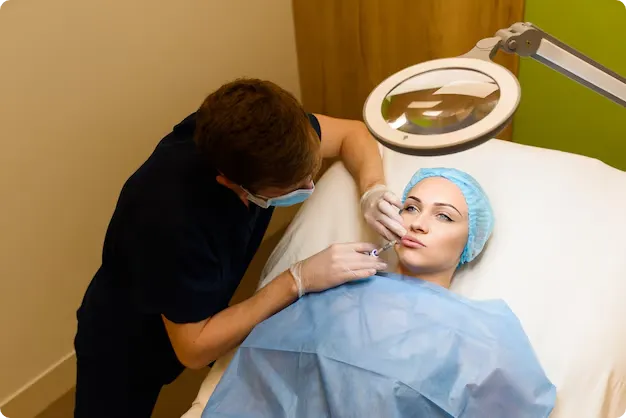
Two patients can sit in the same treatment room, receive the same Endolift protocol, and walk out with noticeably different outcomes three months later. This is one of the most common sources of confusion for people researching the treatment, and it deserves a straightforward answer rather than a vague reassurance that everyone is different.
Endolift results depend on a specific, identifiable set of biological and practical factors, not chance. Understanding these factors before treatment helps set realistic expectations and explains why the same laser, in different hands or on different skin, produces a different outcome. Dr. Sima walks every patient through these variables during consultation, since an honest expectation matters more than a dramatic promise.
Skin Quality and Existing Collagen Reserve
Endolift works by heating tissue beneath the skin to trigger fresh collagen production, which means the starting quality of that tissue matters enormously. Skin with a healthier baseline collagen reserve responds faster and more visibly, since there is more raw material for the body to work with. Skin that has already lost significant structural support, often from years of sun exposure or a long gap since the last collagen-stimulating treatment, needs more time and sometimes an additional session to reach the same visible improvement.
Dermatologists refer to this as the skin’s regenerative capacity, and it varies from person to person the same way healing speed after any injury varies. Two patients of the same age can have very different collagen reserves depending on genetics, skincare history, and prior sun protection habits.
Age and the Natural Rate of Collagen Production
Collagen production declines gradually from the late twenties onward, and that decline accelerates through the thirties and forties. Younger patients in their thirties typically see faster, more pronounced tightening because their fibroblasts, the cells responsible for producing new collagen, are still highly active. Patients in their fifties and sixties still respond well to Endolift, but the process tends to unfold more gradually and the final result often depends more heavily on combining the treatment with consistent skincare and, in some cases, a second session.
Age is not a barrier to good results. It simply changes the timeline and, in some cases, the number of sessions needed to reach a comparable outcome.
Degree of Skin Laxity Before Treatment
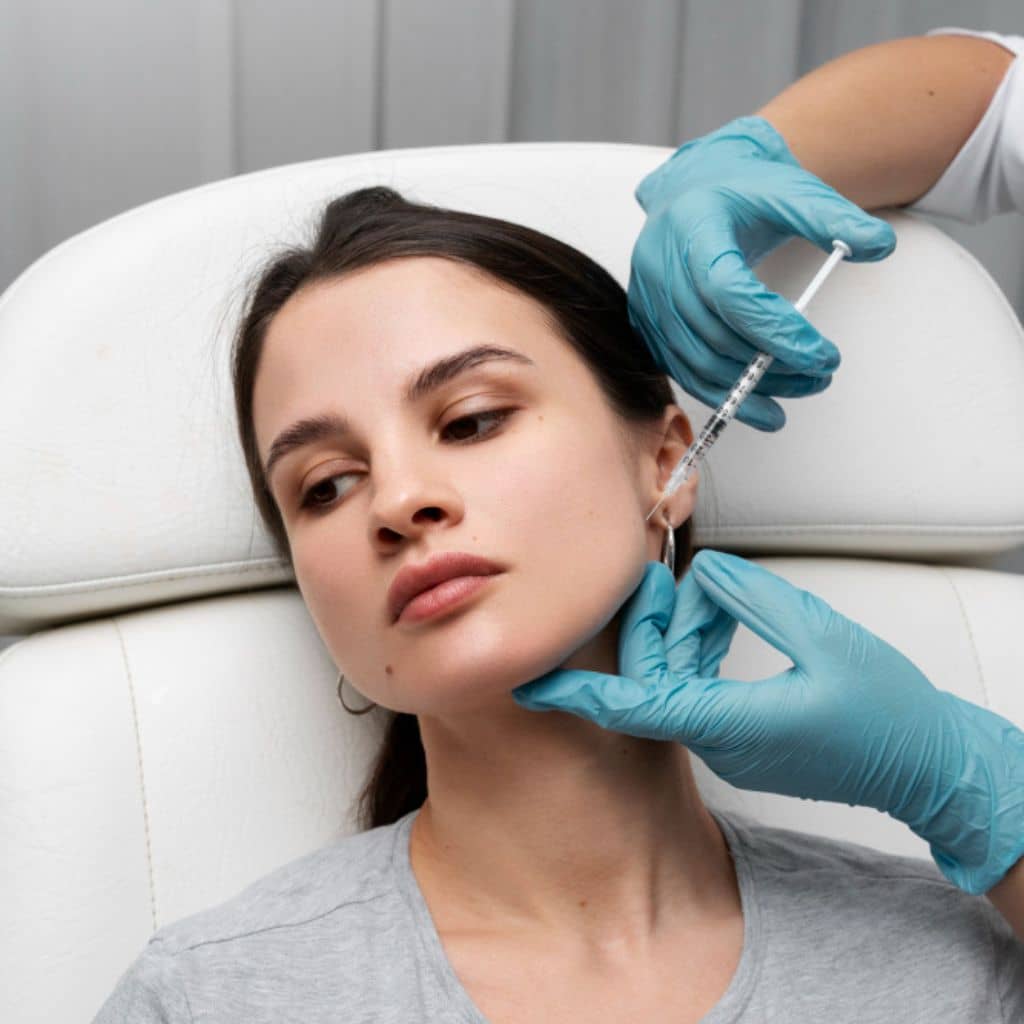
Endolift performs best on mild to moderate skin laxity, where the skin has lost firmness but has not yet developed significant excess. Patients with early jowls, mild jawline blurring, or the first signs of a loosening neck tend to see the most dramatic transformation, since the treatment is working within its intended range. Patients with more advanced laxity, extra skin, or a heavier fat pad often still benefit, though the improvement looks more like a meaningful refinement than a complete transformation. In these cases, Dr. Sima is direct about what Endolift can realistically achieve and discusses whether a surgical option would serve the patient better.
Genetics and Skin Type
Genetics influences how quickly the body deposits new collagen fibers and how the skin responds to heat and controlled injury, which is essentially what the Endolift laser delivers at a microscopic level. Skin type also plays a role. Thicker, oilier skin sometimes shows tightening more gradually but holds results longer, while thinner skin can show visible change faster but may need more careful energy calibration to avoid over-treatment. Family history of skin aging, including how a patient’s parents aged, often predicts individual response better than any single external factor.
Lifestyle Factors That Influence Collagen Remodeling
The months following an Endolift session are when the real work happens beneath the skin, and lifestyle choices during that window directly affect the outcome.
- Sun exposure: Dubai’s year-round UV intensity breaks down new collagen as fast as it forms, which is why consistent SPF use after treatment is not optional.
- Smoking: Nicotine constricts blood vessels and reduces the oxygen supply that healing tissue depends on, slowing collagen remodeling significantly.
- Hydration and diet: Collagen synthesis requires adequate protein intake and hydration, and patients who neglect both often see a slower, less pronounced result.
- Sleep quality: Tissue repair and collagen production both increase during deep sleep, making consistent rest a genuine factor in how quickly results appear.
None of these factors guarantee or ruin a result on their own, but together they explain a meaningful portion of the variation seen between patients who received an identical procedure.
Treatment Area Anatomy
Skin thickness, fat distribution, and blood supply differ significantly between treatment areas, which changes how the same laser settings behave from one zone to another. Facial skin around the jawline and cheeks tends to respond faster than body areas such as the abdomen or thighs, partly because facial skin is thinner and has a richer blood supply. Areas with a higher proportion of fibrous tissue, like the upper arms, sometimes need slightly more time before the tightening effect becomes fully visible. This is one of the reasons results on the face and results on the body should never be compared directly, even within the same patient.
Patients considering treatment for the face specifically can read more in Dr. Sima’s Face Endolift guide, while those exploring the upper arms can find area-specific detail in the Arm Endolift.
Number of Sessions and Treatment Protocol
Many patients achieve their goal with a single session, particularly on the face with mild to moderate concerns. Others benefit from a planned second session three to six months later, either because the starting laxity was more advanced or because their collagen response is naturally slower. This is a protocol decision, not a sign that the first session underperformed. Dr. Sima builds each treatment plan around the individual assessment rather than applying the same one-size protocol to every patient, which is part of why outcomes differ between patients who technically received the same treatment name.
Practitioner Technique and Laser Calibration
Endolift results depend heavily on how precisely the fiber is placed and how the laser energy is calibrated for the specific tissue being treated. Placing the fiber slightly too shallow or too deep changes how effectively the heat reaches the target layer, and energy settings that work well on thicker skin can under-treat or over-treat thinner areas. This is why the experience level of the person performing the procedure has a direct, measurable effect on consistency. Dr. Sima was among the first practitioners to bring Endolift to the UAE, and treatment plans are calibrated individually rather than run on a fixed, generic setting.
Post-Treatment Care and Compliance
The final result depends partly on what happens after the patient leaves the clinic. Following aftercare instructions, including gentle handling of the treated area, sun avoidance, and attending any recommended follow-up, supports the collagen remodeling process during the months it takes to complete. Patients who skip these steps, particularly sun protection, often see their results plateau earlier or fade faster than patients who follow the plan closely.
What the Research Says About Endolift Variability
Clinical research on Endolift laser treatment supports what the factors above suggest. A published efficacy study measuring Endolift’s effect on nasolabial folds and marionette lines found statistically significant improvement in wrinkle depth and area following treatment, while also tracking a spread of patient satisfaction levels ranging from moderately to well satisfied. That spread reflects exactly the kind of individual variability described throughout this guide: the treatment works, but the degree of visible change is not identical from one patient to the next.
How Dr. Sima Sets Realistic Expectations Before Treatment
A proper Endolift consultation involves more than confirming interest in the treatment. Dr. Sima evaluates skin quality, degree of laxity, treatment area, and relevant lifestyle factors before recommending a plan, since this assessment is what actually predicts outcome, not the marketing description of the device itself. Patients leave the consultation with a specific, personalized understanding of what their own result is likely to look like rather than a generic promise borrowed from someone else’s before-and-after photo.
A general overview of the treatment itself, including how the laser works and what a typical session involves, is available on the main Endolift in Dubai page.
FAQs
No. Results depend on skin quality, age, degree of laxity, treatment area, and how closely aftercare instructions are followed, which is why two patients receiving the same treatment can see different degrees of improvement.
Often, yes. A second session three to six months later is a normal part of the protocol for patients with more advanced laxity or a naturally slower collagen response, rather than a correction for something that went wrong.
Skin type influences the speed and visibility of results. Thicker skin tends to show change more gradually but holds results longer, while thinner skin often shows visible tightening sooner.
Consistent sun protection, good hydration, avoiding smoking, and following the aftercare plan all support the collagen remodeling process and help results hold for longer.
Quick Links
Certified Endolift Specialist
at Dynasty Clinic
Copyright © 2026 Dr. Sima . All Rights Reserved. Developed by Digital Marketing Agency in Dubai